
Carnival Cruise Ship Stuck in Port for 21 Hours After Massive IT System Failure
Carnival Firenze passengers spent an unexpected night docked in Long Beach after a complete IT system crash left crew members handwriting tickets and the HUB app completely offline.
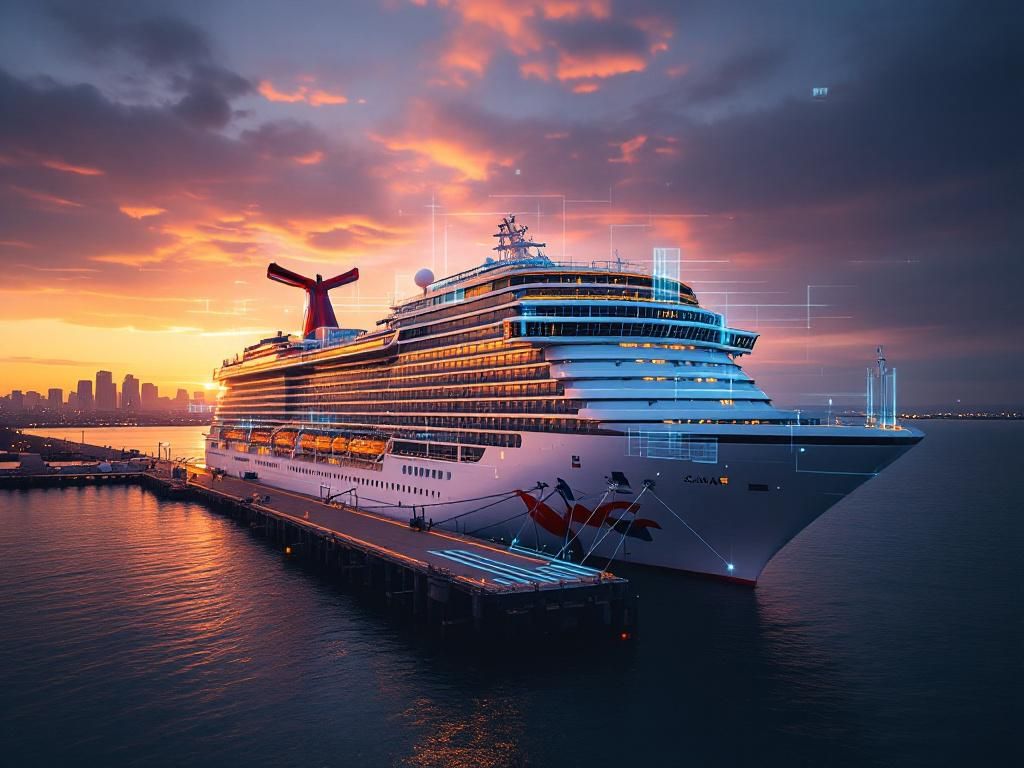
When Carnival Firenze passengers boarded their Mexican Riviera cruise on December 15, 2025, they expected to set sail from Long Beach, California, for a sunny getaway. Instead, they found themselves stuck at the dock for over 21 hours while the ship battled a catastrophic IT system failure that brought critical operations to a grinding halt.
According to Cruise Industry News, the 4,232-guest ship experienced severe internet connectivity issues that prevented departure and crippled essential guest services systems. The ship finally departed at 1:20 PM on December 16, following what became an overnight stay at the pier—something no cruiser ever plans for.
When Technology Fails at Sea (Before You Even Leave Port)
The scale of this system failure was remarkable. According to reports compiled by Cruise Hive, all computers at Guest Services went completely offline, the Carnival HUB app stopped functioning, and staff in the main dining room and bars had to resort to handwriting tickets—a practice that likely hasn’t been necessary on cruise ships in decades.
Think about what that means in practical terms. Guest Services couldn’t access booking records, dietary restrictions, or cabin assignments. Bartenders and servers couldn’t process charges to cabin accounts electronically. The HUB app, which passengers rely on for everything from daily schedules to dining reservations, was essentially a paperweight.
Carnival’s Brand Ambassador John Heald acknowledged the connectivity problem publicly, noting that technical teams were “working very hard” to resolve the issue. His optimistic spin? “The guests are having so much fun,” he stated, emphasizing that onboard activities continued despite the technical chaos.
The Domino Effect: How One System Failure Changed Everything
We need to talk about what this incident reveals about modern cruise operations. Today’s cruise ships are floating smart cities, with every function—from navigation to dinner reservations—dependent on interconnected computer systems. When internet connectivity fails, it doesn’t just mean passengers can’t post vacation selfies to Instagram. It means the ship can’t safely depart.
Why? Because modern cruise operations require real-time communication with port authorities, immigration systems, and corporate headquarters. Crew members need access to manifests, safety protocols, and passenger data. Without these systems, a cruise ship is essentially grounded, regardless of how seaworthy the vessel itself might be.
The Carnival Firenze incident also highlights a vulnerability that cruise lines rarely discuss: their complete dependence on technology infrastructure that, when it fails, has no meaningful backup plan beyond “handwritten tickets.”
The Guest Experience: 21 Hours of Uncertainty
For passengers aboard the Firenze, the experience was a test of patience. More than 20 hours stuck in port, with limited information about when—or even if—the ship would sail. According to reports, the internet was finally restored around 10:30 AM PST on December 16, with a crew member announcing over the public address system: “I have great news at this time: Our internet has officially been restored.”
But restoration of service didn’t mean the cruise would proceed as planned. The delayed departure forced cancellation of the scheduled stop in Ensenada, Mexico. Instead, the ship spent two extra days in Cabo San Lucas. As compensation, Carnival provided every stateroom with $100 in onboard credit.
Is $100 Enough? The Compensation Question
Let’s be honest: $100 in onboard credit for a 21-hour delay and a significantly altered itinerary feels light. Passengers didn’t just lose time—they lost a planned port stop and the experiences that came with it. Some may have booked shore excursions in Ensenada that they’d been looking forward to for months.
This raises a broader question about cruise line accountability when technology failures disrupt sailings. Unlike weather delays or mechanical issues, IT system failures are largely preventable with proper redundancy and backup systems. Should cruise lines be held to a higher standard of compensation when the problem is their own infrastructure?
What This Means for Future Cruisers
The Carnival Firenze incident is a wake-up call for anyone booking a cruise. Here’s what we think cruisers should take away from this:
1. Travel insurance matters. A 21-hour delay might not seem catastrophic, but if you have connecting flights, hotel reservations, or time-sensitive plans, you need coverage.
2. Technology dependency is a risk. Modern cruise ships are incredible feats of engineering, but their reliance on digital systems creates single points of failure that can bring everything to a halt.
3. Compensation standards vary. What Carnival considered adequate compensation ($100 OBC) might not match what passengers felt they deserved. Know your cruise line’s policies before you sail.
4. Flexibility is essential. The passengers who handled this situation best were probably those who had flexible attitudes and didn’t have rigid expectations about their itinerary.
The Bigger Picture: Cruise Industry Technology Infrastructure
This incident at Long Beach should prompt uncomfortable questions for the entire cruise industry. How many other ships are one connectivity failure away from being stranded at port? What redundancy systems are in place to prevent this type of cascading system failure? And what standards should passengers expect for compensation when cruise lines’ own technology failures disrupt their vacations?
The Carnival Firenze eventually sailed, the systems were restored, and passengers got their extra days in Cabo San Lucas. But the incident exposed just how fragile the technology infrastructure supporting modern cruising really is. For an industry that’s invested billions in building ever-larger, ever-more-technologically-advanced ships, perhaps it’s time to invest just as heavily in making those systems bulletproof.
Because when 4,232 passengers are stuck at a dock waiting for computers to reboot, all the waterslides and specialty restaurants in the world don’t matter much.
Source: IT Issues Prevent Carnival Firenze from Sailing - Cruise Industry News