
Barcelona Just Capped Cruise Ship Capacity—Here's What It Means for Your Mediterranean Cruise
Barcelona is demolishing three cruise terminals and slashing capacity by 16% in a historic crackdown on overtourism. Here's what cruisers need to know about visiting Spain's top cruise port.
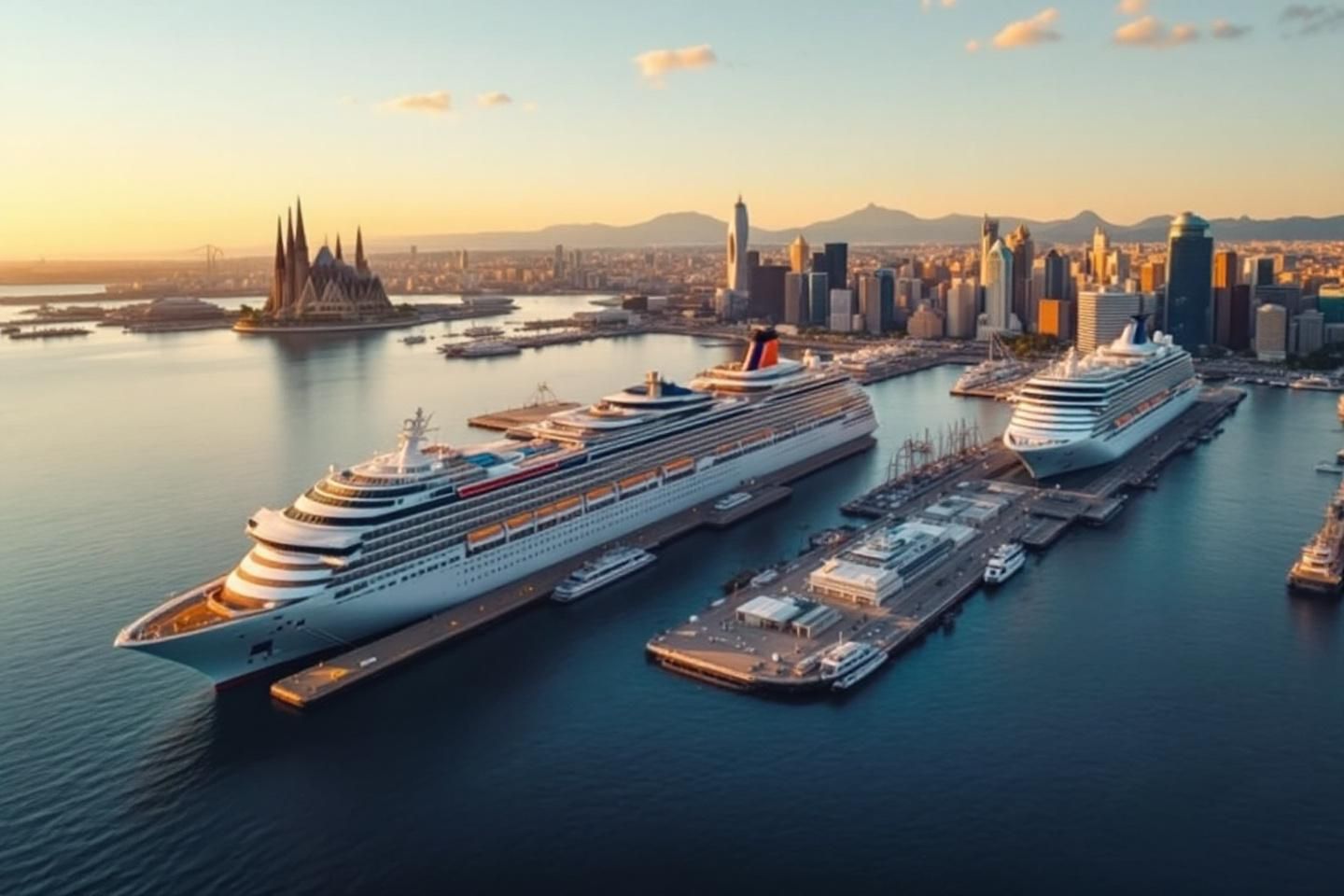
If you’ve been planning a Mediterranean cruise with Barcelona on the itinerary, you’ll want to pay attention to this: the city just made history by placing its first-ever limit on cruise ship traffic.
Barcelona City Council and the Port of Barcelona have signed a groundbreaking protocol to reduce cruise terminals from seven to five—a move that will permanently slash the port’s maximum daily capacity by 16%. According to Catalan News, this is the first time in history Barcelona has placed explicit limits on cruise ship growth.
What’s Actually Changing?
The plan centers on the three oldest terminals at Moll Adossat—terminals A, B, and C—which will be demolished completely. In their place, a single new public cruise terminal will rise at the current site of Terminal C. This new facility will be able to serve up to 7,000 passengers simultaneously and will prioritize homeport cruises (those starting or ending in Barcelona) and smaller vessels.
The bottom line? Barcelona’s maximum simultaneous cruise capacity will drop from around 37,000 passengers to 31,000 by the end of the decade.
The Numbers Behind the Decision
The timing isn’t random. Between 2018 and 2024, cruise passenger numbers in Barcelona rose by a staggering 20%. The city welcomed 3.7 million cruise passengers in 2024 alone, making it Spain’s busiest cruise port and one of the top cruise destinations in the entire Mediterranean.
Mayor Jaume Collboni didn’t mince words about the city’s motivation: “Today, for the first time in history, a limit is being placed on the growth of cruise ships in Barcelona. Economic growth must come from other directions.”
The Timeline You Need to Know
Here’s when these changes will actually hit:
- 2026: The phased consolidation begins
- 2027: Onshore power supply systems must be installed (all ships will need to plug in while docked)
- 2030: Final configuration of five cruise terminals completed; new Terminal C fully operational
The total investment? A whopping €185 million ($216 million), on top of the €265 million already invested in port infrastructure since 2018. The Port of Barcelona alone is putting €50 million toward overhauling a 610-meter section of wharf to enable the new shore power requirements.
Barcelona Isn’t Alone
If this sounds familiar, it’s because Barcelona is joining a growing wave of European destinations pushing back against cruise tourism. Venice banned large cruise ships from its historic center in 2021. Amsterdam plans to limit cruise ships to just 100 per year by 2026 before banning them entirely by 2035. France recently banned vessels carrying more than 900 passengers from docking in Nice and Villefranche-sur-Mer. And Cannes will implement a ban on ships carrying more than 3,000 passengers by 2026.
The message from European ports is increasingly clear: quality over quantity.
What This Means for Cruisers
So what does this actually mean if you’re booking a Mediterranean cruise in the next few years?
Short term (2025-2026): Not much changes immediately. You’ll still have access to Barcelona as a port of call or embarkation point, though you might notice construction activity around the port.
Medium term (2027-2030): Expect cruise lines to adjust their itineraries as capacity decreases. Ships that can’t use shore power may be rerouted to other ports. Smaller ships and homeport cruises will get priority berths at the new terminal.
Long term (2030+): With reduced capacity, Barcelona may become a more premium destination. Cruise lines will likely need to book port slots further in advance, and there’s a possibility of increased port fees being passed on to passengers.
The Silver Lining
Here’s the upside: the new terminal is designed to be more efficient and environmentally friendly. The shore power requirements mean ships won’t be running their engines while docked, significantly reducing emissions and air pollution in the port area. And the €10 million urban corridor project will create better connections between the port and the city center, potentially making it easier for cruise passengers to explore Barcelona.
Plus, with fewer cruise passengers flooding the city on any given day, you might actually enjoy a better experience when you visit. Those famous attractions like La Sagrada Familia and Park Güell won’t be quite as overwhelmed.
Our Take
Barcelona’s decision represents a significant shift in how major cruise destinations are thinking about tourism. Rather than maximizing visitor numbers, cities are increasingly prioritizing sustainable growth and resident quality of life.
For cruise enthusiasts, this is a reminder that popular Mediterranean ports are changing—and that booking your dream cruise sooner rather than later might be a smart move. The days of unlimited cruise ship access to Europe’s most iconic cities appear to be winding down.
Will this trend spread to other ports? Based on what we’re seeing across Europe, we wouldn’t be surprised. The cruise industry is adapting, and so are the destinations we love to visit.