
Baltimore Just Got the Green Light for a $17 Billion Bridge That Could Transform Its Cruise Future
Maryland officials unanimously approved plans for a new Chesapeake Bay Bridge that would finally allow modern mega-ships to reach Baltimore—but passengers won't see the benefits until at least 2032.
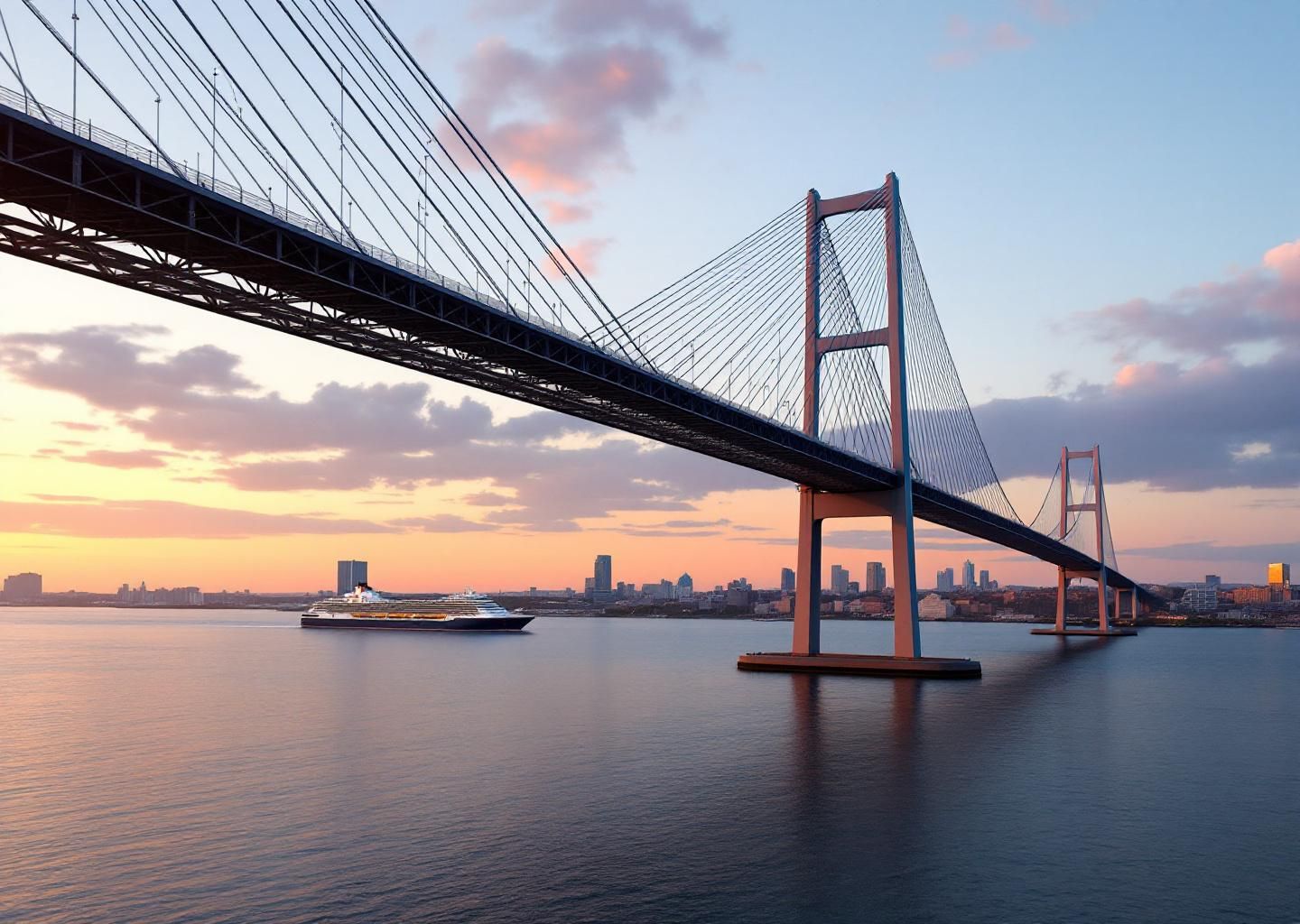
If you’ve ever wondered why Baltimore—a major port city on the East Coast—only gets the cruise industry’s smallest, oldest ships, the answer is literally hanging over the water. The Chesapeake Bay Bridge has been the bottleneck keeping modern cruise ships out of Charm City for decades. But that could finally be changing.
On Thursday, the Maryland Transportation Authority Board unanimously voted to approve an ambitious plan to replace the aging Chesapeake Bay Bridge with two massive new spans that would double the bay’s capacity and—crucially for cruise passengers—add 50 feet of vertical clearance. According to Royal Caribbean Blog, this single infrastructure decision could unlock Baltimore’s potential as a major cruise hub capable of hosting the industry’s newest, most feature-packed vessels.
The catch? Don’t expect to sail on a mega-ship from Baltimore anytime soon.
Why Baltimore Has Been Stuck in a Time Warp
Currently, Baltimore’s cruise terminal operates under severe restrictions. Royal Caribbean can only deploy its Vision of the Seas—a Vision Class ship measuring less than 79,000 gross registered tons—because it’s one of the few vessels in the fleet that can safely pass beneath the existing bridge. Other cruise lines face the same limitations, with Carnival sending its 88,500 GRT Carnival Pride to the port.
These aren’t bad ships, but they’re from a different era. Modern cruise vessels like Royal Caribbean’s Oasis Class ships (225,000+ GRT) or even mid-sized contemporary ships offer amenities these older vessels simply can’t accommodate: expansive waterparks, multiple specialty dining venues, Broadway-caliber theaters, surf simulators, and the kind of public spaces today’s cruisers have come to expect.
For Baltimore-area residents, this has meant either settling for dated ships or driving to Norfolk, New York, or Cape Liberty to catch newer vessels. It’s been a geographic curse that’s limited the port’s growth potential for years.
The $17 Billion Solution (Eventually)
The approved “Alternative-C” plan calls for constructing two four-lane bridges over the Chesapeake Bay, effectively doubling the current capacity while increasing vertical clearance to match what the now-demolished Francis Scott Key Bridge once provided. The Maryland Transportation Authority estimates the project will cost between $15 billion and $17 billion—a staggering sum that reflects both the engineering challenge and the potential economic payoff.
Economic analysis projects the new bridge will generate $17 billion to $23 billion in benefits and create between 61,300 and 75,600 jobs throughout the construction period and beyond.
But here’s where cruise passengers need to manage expectations: design work won’t begin until 2028 at the earliest, with construction scheduled to start in summer 2032. Given the complexity of major infrastructure projects, we’re realistically looking at completion sometime in the mid-2030s before the first modern cruise ship sails beneath those new spans.
What This Means for Cruisers
In the short term—meaning the next seven to ten years—absolutely nothing changes. Vision of the Seas will continue its seasonal deployments from Baltimore, offering 5- and 9-night cruises to Bermuda and Canada/New England from May through October 2027, and likely beyond.
But looking further ahead, this approval represents a genuine turning point for Baltimore’s cruise prospects. Once the new bridge opens, Royal Caribbean and other cruise lines will suddenly have access to deploy contemporary ships with the amenities modern passengers demand. We’re talking about ships with:
- Multi-story waterslides and aqua parks
- Dedicated family zones and adults-only retreats
- Diverse dining options including celebrity chef venues
- Enhanced stateroom designs with virtual balconies and premium suites
- Robust entertainment programming from ice shows to aerial acrobatics
For Mid-Atlantic cruisers, this could eliminate the need to drive hours to reach better ships, potentially transforming Baltimore into a legitimate competitor to established cruise ports.
The Timing Problem
The elephant in the room is the timeline. Construction won’t even begin for another seven years, and completion is at least a decade away—possibly longer given the complexity of the project and the inevitable delays that plague massive infrastructure undertakings.
By the time these new bridges open, the cruise industry will have evolved considerably. Ships that are cutting-edge today will be mid-fleet workhorses by then. The entire competitive landscape of East Coast cruise departures could look dramatically different.
There’s also no guarantee cruise lines will immediately jump to redeploy larger ships to Baltimore once the bridge opens. Port infrastructure beyond the bridge clearance—terminal facilities, parking, transportation links—will all need to support larger vessels and the thousands more passengers they carry. Those investments haven’t been announced yet.
Why This Still Matters
Despite the long wait, this approval is genuinely significant for Baltimore’s cruise future. Infrastructure projects of this magnitude require decades of planning, and getting to a unanimous board approval represents clearing a major hurdle. The project moves from “maybe someday” to “actively in the pipeline.”
For cruise lines planning deployments 5-10 years out, having clarity on Baltimore’s future capabilities allows them to include the port in long-term strategic planning. Royal Caribbean, Carnival, Norwegian, and others can now confidently consider Baltimore for future ship deployments, knowing the physical restrictions will eventually disappear.
The approval also sends a clear signal that Maryland is serious about competing for cruise business. The state is betting $15-17 billion that Baltimore can become a major player in the East Coast cruise market—and that kind of commitment tends to attract industry attention and investment.
The Bottom Line
Baltimore’s cruise prospects just got significantly brighter—in about ten years. The Maryland Transportation Authority Board’s unanimous approval of the new Chesapeake Bay Bridge replacement is the first concrete step toward unlocking the port’s potential to host modern cruise ships.
For passengers, this means patience. If you’re planning a cruise from Baltimore in 2025, 2026, or even 2030, expect the same smaller, older ships that have been calling there for years. But if you’re thinking about your cruise plans in the mid-2030s, Baltimore might finally have the mega-ships, cutting-edge amenities, and competitive itineraries that make it a genuine alternative to driving to other ports.
It’s a long game, but at least the game is finally in motion. For a port city that’s been watching from the sidelines as the cruise industry exploded over the past two decades, that’s progress worth celebrating—even if the payoff is still more than a decade away.
Sources: