
The Bahamas Is Building a Cruise Port in One of the Caribbean's Most Remote Islands
The Bahamas government just announced plans for a major new cruise port on Mayaguana island, a strategic location between Miami and Puerto Rico that could create over 2,000 jobs and transform Eastern Caribbean itineraries.
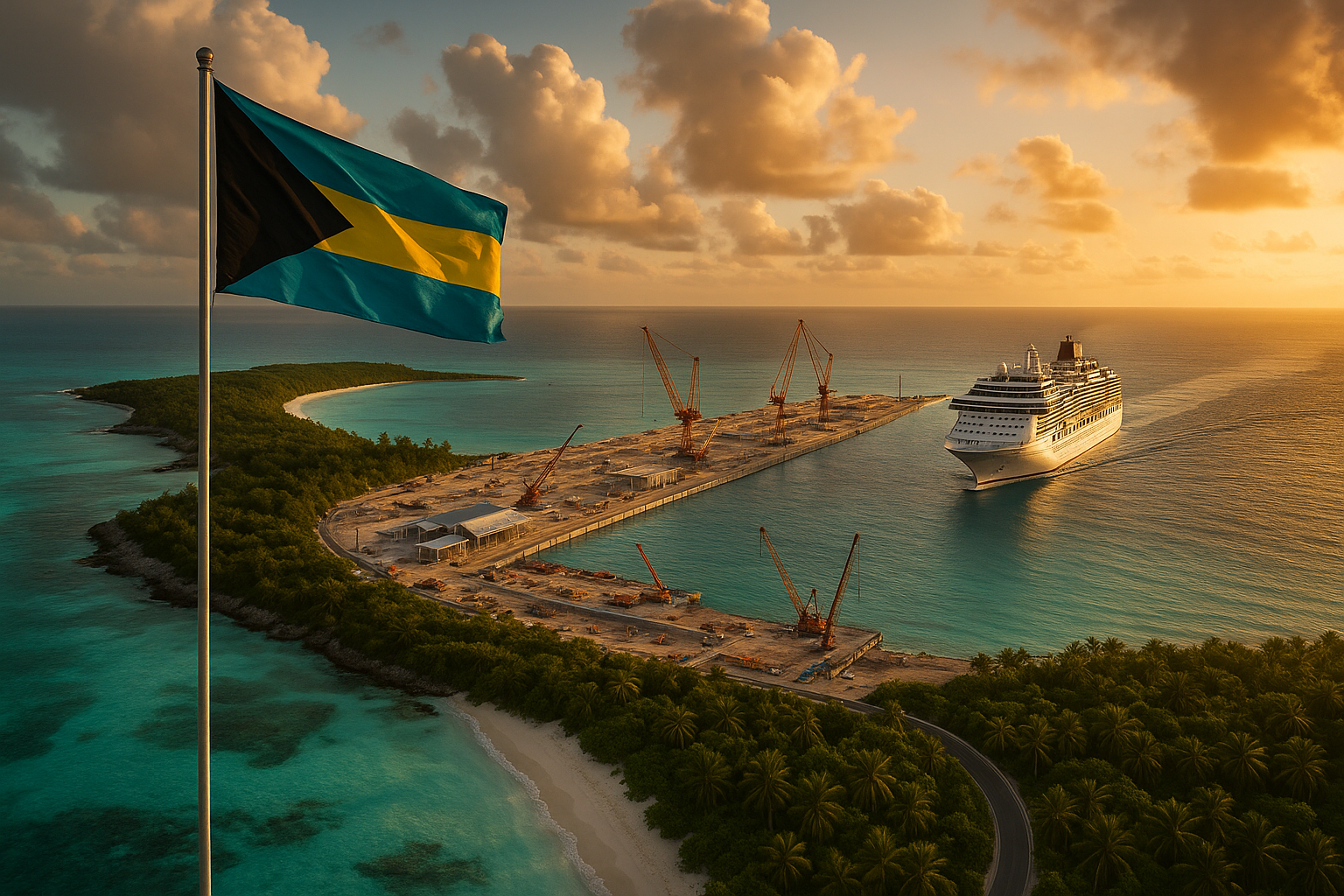
The Bahamas has a bold new plan that could reshape cruise itineraries across the Eastern Caribbean—and it involves one of the most remote islands in the archipelago.
On January 7, 2026, the Office of the Prime Minister announced a major infrastructure project on Mayaguana, the southeasternmost island in the Bahamas chain. The development will include a deep-water port and brand-new cruise terminal, positioning this little-known island as a strategic stop for ships traveling between North America, the Panama Canal, and South America.
According to Cruise Industry News, the project will be developed through a public-private partnership involving the Government of the Bahamas, Global Lead Consultant Group Limited, and the Mayaguana Island Development Fund.
Why Mayaguana? Location, Location, Location
If you’ve never heard of Mayaguana, you’re not alone. This island sits about 350 miles southeast of Nassau—roughly halfway between Miami and Puerto Rico. That geographic sweet spot is precisely what makes it attractive for cruise development.
Most Eastern Caribbean cruise itineraries sail past this area without stopping anywhere between Florida and the Leeward Islands. A port at Mayaguana could fill that gap, offering cruise lines a convenient mid-voyage port of call while opening up an entirely new destination for passengers seeking authentic Bahamian experiences away from the crowds of Nassau or Freeport.
The island’s proximity to major shipping corridors to the Panama Canal and South America also positions it as “an ideal stop for vessels sailing from North America to the Panama Canal, South America and Europe,” according to Bahamian authorities.
A Three-Phase Development Plan
The Mayaguana port project will roll out in three distinct phases, each designed to progressively expand the island’s capacity to handle larger vessels and more passengers.
Phase 1 focuses on building the foundation: a temporary marine offloading facility and deep-water port construction. This initial infrastructure will allow ships to dock and passengers to come ashore safely.
Phase 2 brings the main attraction—a new cruise terminal designed to handle the passenger flow and provide modern amenities that today’s cruise travelers expect.
Phase 3 takes things to the next level with port upgrades capable of accommodating larger vessels, plus adjacent land development that could include retail, dining, and excursion facilities.
The phased approach suggests the Bahamas is taking a measured, strategic view of this development rather than rushing to build everything at once. It also allows them to gauge cruise line interest and passenger response before committing to the most expensive final phase.
Over 2,000 Jobs on the Horizon
Perhaps the most significant impact of this development won’t be felt by cruise passengers—it’ll be felt by Bahamians.
Preliminary forecasts indicate that the construction and operation of the new port will create more than 2,000 jobs. For context, Mayaguana currently has a population of just a few hundred residents, making it one of the least populated islands in the Bahamas.
This kind of economic injection could transform the island’s economy. Construction jobs will come first, followed by permanent positions in port operations, customs and immigration, retail, tour operations, ground transportation, and hospitality.
The government has structured the project so that the Mayaguana Island Development Fund will have an ownership stake alongside the government and Global Lead Consultant Group Limited. This ensures that profits from the venture flow directly back into the local community, rather than solely benefiting outside investors.
What This Means for Cruise Itineraries
If you’re a cruise passenger, this development opens up exciting possibilities for future Eastern Caribbean sailings.
Currently, most Eastern Caribbean cruises from Florida ports sail overnight to reach their first port of call—usually St. Thomas, St. Maarten, or one of the other Leeward Islands. That’s a lot of sea days before you get to explore anything.
A port at Mayaguana would give cruise lines the option to add an earlier stop, breaking up that long transit and giving passengers a chance to experience a relatively untouched Bahamian island. Think pristine beaches, authentic local culture, and natural beauty without the crowds you’d find at more established cruise ports.
For cruise lines planning longer Panama Canal transits or South American itineraries, Mayaguana offers a strategic fueling and provisioning stop with the added benefit of passenger appeal.
The Bigger Picture: Bahamas Diversification Strategy
This announcement fits into a broader pattern across the Caribbean: destinations are actively working to diversify their cruise port offerings and reduce dependency on a handful of overcrowded ports.
The Bahamas has long dominated the Western Caribbean cruise market with Nassau and the private island experiences offered by major cruise lines (like Royal Caribbean’s Perfect Day at CocoCay and Disney’s Castaway Cay). But Mayaguana represents something different—a move into the Eastern Caribbean market and an expansion beyond the well-trodden northwestern islands.
We’re seeing similar strategies across the region. St. Maarten recently celebrated dual maiden calls. Other destinations are investing in infrastructure upgrades to handle larger ships or attract premium cruise lines. The competition for cruise tourism dollars is intensifying, and the Bahamas is making sure it stays ahead of the curve.
What Happens Next?
The government has been careful to note that additional project details are still being finalized. Key questions remain: When will construction actually begin? Which cruise lines have expressed interest in calling at Mayaguana? What will the passenger experience look like?
We also don’t yet know the full scope of the investment required or the specific timeline for each phase. These details will likely be announced in the coming months as the public-private partnership solidifies its plans and secures financing.
What we do know is that the Bahamas is serious about this project. Announcing it through the Office of the Prime Minister signals high-level government commitment. Structuring it as a three-phase development with community ownership shows long-term strategic thinking rather than a quick cash grab.
For cruise fans, this is one to watch. A new port in an untouched corner of the Caribbean doesn’t come along every day—and Mayaguana’s strategic location could make it a fixture on Eastern Caribbean itineraries for decades to come.