
Amsterdam Takes Radical Stand Against Cruise Tourism with 2035 Ban
The Dutch capital abandons plans to relocate its cruise terminal and opts for a complete phase-out of ocean-going cruise ships by 2035, citing environmental and urban planning concerns.
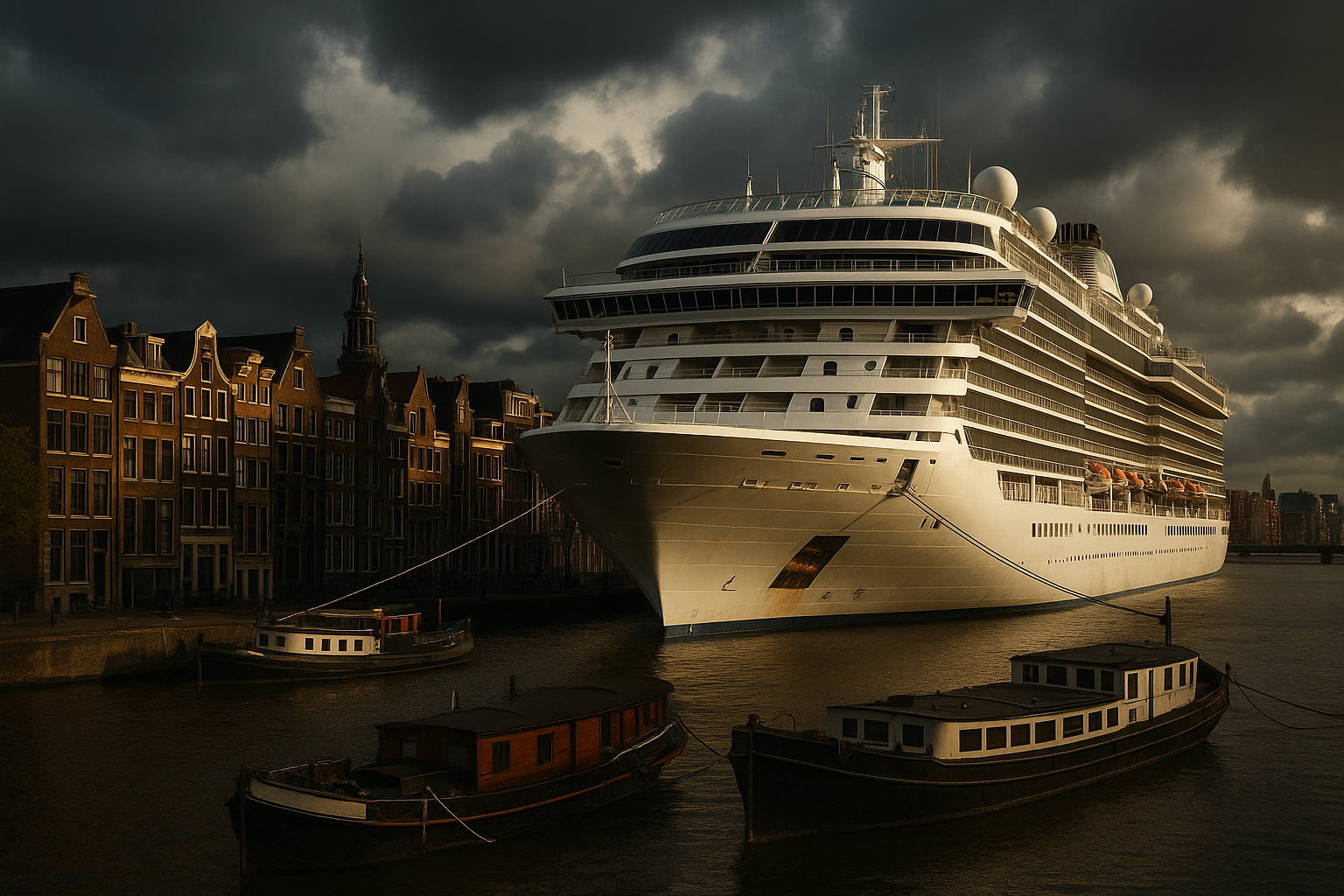
The battle over cruise tourism in Europe just escalated dramatically. On January 21, 2026, Amsterdam’s coalition government announced plans to completely eliminate ocean-going cruise ships from the city by 2035—abandoning previous proposals to simply relocate the passenger terminal and instead choosing to ban sea cruises entirely.
This isn’t a minor policy tweak. We’re talking about one of Europe’s most iconic port cities effectively closing its doors to the massive vessels that bring thousands of visitors each year. According to NL Times, city officials have concluded that phasing out cruise ships makes more environmental and financial sense than moving them to a different location.
Why Amsterdam Is Saying Goodbye to Cruise Ships
The driving force behind this decision is a combination of environmental concerns and urban planning constraints. The city’s coalition government—made up of PvdA, GroenLinks, and D66 parties—wants to reduce carbon dioxide, particulate matter, and nitrogen emissions in the city center. These massive floating hotels have long been criticized for their environmental impact, and Amsterdam has decided the costs outweigh the benefits.
But there’s another factor at play: infrastructure. The current Passenger Terminal Amsterdam location poses a logistical problem for the city’s development plans. According to the announcement, the terminal obstructs a planned western bridge over the IJ River that would connect the NDSM area to the Haven-Stad neighborhood. Rather than work around the cruise terminal, Amsterdam has chosen to eliminate it entirely.
Alderman Hester van Buren of the PvdA party delivered the announcement, signaling that this is a priority for the current coalition. D66 party leader Rob Hofland welcomed the move enthusiastically, calling it “a major breakthrough” and referring to cruise ships as “floating apartment blocks”—a characterization that captures the growing frustration many residents feel about these towering vessels.
The Financial Calculation
Here’s where things get interesting from a business perspective. Amsterdam officials have crunched the numbers and determined that banning cruises would cost the city approximately €46 million in lost revenue over the next 30 years. That’s not pocket change, but city planners believe they can recover these losses through redevelopment of the Veemkade area and repurposing the Coenhaven facility.
Compare that to the alternative: relocating the Passenger Terminal Amsterdam would cost around €85 million, with uncertain prospects for recovering that investment. From a pure cost-benefit standpoint, the ban makes financial sense—even before considering the environmental and quality-of-life factors.
River Cruises Get a Pass
It’s important to note that this ban specifically targets ocean-going cruise ships—those massive vessels that dwarf Amsterdam’s historic buildings and can carry thousands of passengers. River cruise ships, which are considerably smaller and operate on the city’s waterways, will continue to be welcome at the Veemkade. This distinction suggests Amsterdam isn’t opposed to cruise tourism entirely, but rather to the scale and environmental impact of the largest vessels.
A Pattern of Escalating Restrictions
This latest announcement didn’t come out of nowhere. Amsterdam has been tightening the screws on cruise tourism for years. Following a 2023 City Council decision, the city already cut annual sea cruise arrivals in half—from 190 visits per year down to a maximum of 100. That restriction alone sent a clear message about the city’s priorities.
Now, with the 2035 ban proposal, Amsterdam is taking that logic to its conclusion: if fewer cruise ships are better, then no cruise ships might be best of all.
What Happens Next
The political calendar will determine the fate of this proposal. Amsterdam is heading into local elections in March 2026, and the next coalition government will make the final decision on whether to proceed with the ban before it goes to the City Council for approval. This means the proposal could be years away from implementation—or it could be modified or scrapped entirely if the political winds shift.
However, the fact that the current coalition has publicly committed to this path indicates serious momentum behind the idea. The environmental and financial arguments they’ve presented provide a solid foundation for the policy, making it harder for a future government to reverse course without strong counterarguments.
The Bigger Picture for Cruise Tourism
Amsterdam’s move is part of a broader European trend of cities pushing back against cruise tourism. Venice has restricted large cruise ships from its lagoon. Barcelona has limited arrivals. Dubrovnik has capped passenger numbers. These aren’t isolated incidents—they represent a fundamental rethinking of the relationship between historic cities and the cruise industry.
For cruise lines, the Amsterdam ban represents a significant challenge. The city is a highly desirable port of call for Northern Europe itineraries, and losing access would require major route adjustments. More concerning for the industry is the precedent this sets: if Amsterdam can successfully ban cruise ships while maintaining economic viability, other cities facing similar overtourism pressures might follow suit.
The Tension Between Tourism and Livability
At its core, this debate is about competing visions for what cities should be. The cruise industry brings economic activity, creates jobs, and provides opportunities for visitors to experience cultural landmarks. But it also brings congestion, pollution, and infrastructure strain that residents have to live with year-round.
Amsterdam’s decision suggests that, at least in some contexts, the balance has tipped too far toward accommodating visitors at the expense of local quality of life. The city appears willing to sacrifice cruise tourism revenue in exchange for cleaner air, less crowded streets, and the ability to develop urban infrastructure without working around massive ships.
Whether this approach proves successful—and whether other cities adopt similar policies—will shape the future of cruise tourism in historic European destinations. For now, Amsterdam has drawn a line in the sand, and the industry is going to have to navigate around it.
What Cruisers Should Know
If Amsterdam is on your bucket list and you’re planning a cruise, you still have time. The proposed 2035 ban is nearly a decade away, and plenty of sailings will continue in the meantime. But this announcement should serve as a reminder that the ports we take for granted today may not be available tomorrow.
For those who’ve been putting off that Northern Europe cruise, this might be the nudge you need. Amsterdam remains one of the world’s most captivating cities, with its iconic canals, world-class museums, and vibrant culture. Seeing it from the deck of a cruise ship is an experience worth having—while you still can.
The irony isn’t lost on anyone: Amsterdam, a city built on maritime trade and known for its historic harbors, is choosing to close those harbors to one of the modern era’s most visible forms of sea-going commerce. It’s a decision that would have been unthinkable a generation ago, but in 2026, it reflects the changing priorities of cities grappling with the challenges of sustainable tourism.