
Alaska Fishermen Block $4 Million Cruise Dock Deal—And the Company Walked Away
American Cruise Lines withdrew its $4 million dock offer in Haines, Alaska after local fishermen objected to priority docking rights. The rejection reveals growing tension as small-ship cruise lines expand into remote ports.
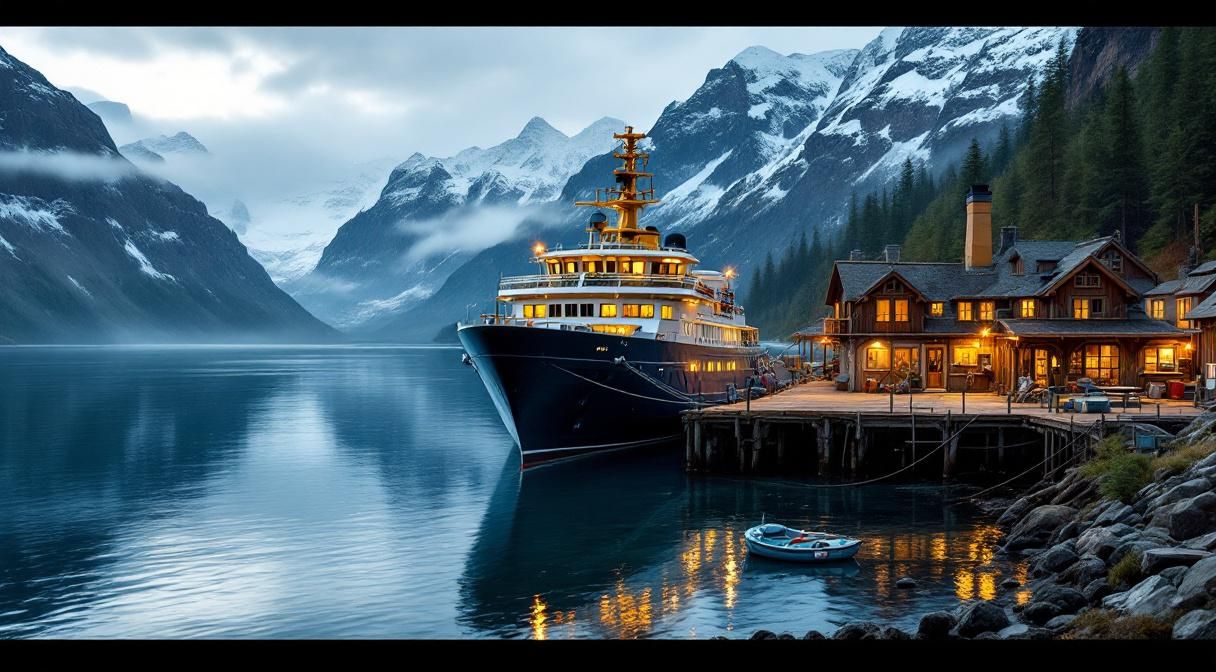
When American Cruise Lines offered to pour $4 million into a remote Alaska town’s infrastructure, it seemed like a win-win. The small-ship cruise operator would help replace an aging dock in Haines, and in exchange, they’d get priority docking rights for the next two decades.
But local fishermen had other plans. And in late January 2026, the cruise line quietly withdrew its offer without explanation.
The story unfolding across Alaska’s coastal communities reveals a deeper tension: as cruise lines expand into smaller, more remote ports, they’re running headlong into residents who value control over their harbors more than corporate cash.
The Haines Rejection: When $4 Million Isn’t Enough
According to Alaska Public Media, American Cruise Lines pitched Haines on a straightforward deal: contribute up to $4 million toward replacing the Letnikof Cove dock—a project with a total price tag exceeding $8 million—in exchange for at least 20 years of priority docking rights, with a potential 20-year extension.
On paper, it’s an attractive proposition for a small borough facing shrinking state and federal infrastructure funding. State grants would cover roughly half the project cost, meaning American Cruise Lines’ contribution could bridge a significant funding gap.
But local fishermen saw something else entirely: cruise ships in their workspace.
“I’d rather have no dock than have those guys in my face,” fisherman Brian O’Riley told Alaska Public Media, capturing the sentiment that ultimately killed the deal.
The concern wasn’t abstract. Haines is a working fishing community, and priority docking rights for a cruise line means potential conflicts during critical fishing seasons. When American Cruise Lines’ ships need the dock, commercial fishermen would have to wait—or find somewhere else to offload their catch.
In late January, American Cruise Lines withdrew its offer. Harbormaster Henry Pollan told Alaska Public Media the borough would need to pursue “creative grant strategies” to fund the dock replacement on its own.
Wrangell Says Yes: The 40-Year Gamble
While Haines said no, Wrangell said yes—enthusiastically.
In January 2026, after more than a year of negotiations, Wrangell’s borough assembly unanimously approved a 40-year tidelands lease with American Cruise Lines. Under the agreement, the cruise line will fund and build a floating dock for its small ships, with the borough covering waterfront fill costs using revenue bonds from ports and harbors funds—critically, not local taxes.
The dock is scheduled for completion by May 2027, and when cruise ships aren’t using it, the facility will be available for public use.
For Wrangell, the math works differently than Haines. The borough gets new infrastructure without tapping local taxpayers, maintains public access when ships aren’t in port, and welcomes the economic activity cruise passengers bring to local businesses.
Petersburg: Still Weighing the Trade-Offs
Petersburg represents the middle ground—still negotiating, still uncertain.
American Cruise Lines is reportedly considering leasing waterfront and building a private dock rather than a public facility, according to Alaska Public Media. The community’s emphasis is on maintaining control: controlling ship size, controlling visit frequency, controlling their own harbor.
“The community doesn’t want to give over control,” Petersburg Harbormaster Glorianne Wollen told Alaska Public Media. “American Cruise Lines has seemed pretty responsive to that.”
Whether that responsiveness translates into a deal remains to be seen.
Why This Matters Beyond Alaska
American Cruise Lines’ Alaska expansion—bringing its second ship last season, planning a third in 2028, and targeting approximately one new ship annually thereafter—represents a broader industry trend: small-ship expedition cruising is booming, and operators are actively seeking access to remote ports that larger ships can’t reach.
But unlike major cruise hubs like Juneau or Ketchikan, these smaller communities have limited infrastructure and limited budgets. When cruise lines offer to fund new docks, they’re not just proposing business partnerships—they’re proposing to reshape local economies and harbor operations for decades.
The Haines rejection matters because it demonstrates that not every Alaska community will trade local control for cruise industry dollars, regardless of the amount. The fishing industry, tourism industry, and local quality of life all factor into these decisions, and they don’t always align.
For American Cruise Lines, the mixed reception means a more complex expansion strategy. They can’t simply write checks and expect access. Each community will negotiate on its own terms, prioritizing its own interests, and some—like Haines—will decline altogether.
The Infrastructure Funding Crisis Behind the Deals
There’s an uncomfortable reality underlying these negotiations: Alaska municipalities are facing shrinking funding for dock and harbor infrastructure maintenance and replacement.
State and federal grants that once covered these projects are harder to secure. Local tax bases in small communities can’t shoulder multimillion-dollar infrastructure costs. And existing docks are aging, with replacement becoming more urgent every year.
American Cruise Lines’ offers aren’t just business opportunities—they’re filling a funding void that government has left behind. When Haines walks away from $4 million, they’re also walking away from one of the few realistic paths to replacing critical infrastructure.
That’s not an indictment of Haines’ decision. Local communities have every right to prioritize their fishing industries and maintain control over their harbors. But it does highlight a systemic problem: small Alaska towns shouldn’t have to choose between accepting cruise industry terms or watching their infrastructure crumble.
What Happens Next
Wrangell will get its new dock by May 2027, beginning a 40-year relationship with American Cruise Lines. Petersburg may follow with its own agreement, or it may decide the terms don’t work.
And Haines? They’ll pursue those “creative grant strategies” Harbormaster Pollan mentioned, hoping to piece together funding for Letnikof Cove without surrendering priority docking rights.
American Cruise Lines will continue expanding in Alaska, adding roughly one new ship per year to its fleet. They’ll keep proposing dock partnerships in communities that need infrastructure. Some will accept. Others won’t.
But the Haines rejection sends a clear message to the cruise industry: Alaska’s small communities aren’t desperate enough to accept any deal, no matter how much money is on the table. Local control still matters. Fishing industries still matter. And not every harbor is for sale—even when the dock itself needs replacing.