
15,000 Cruise Passengers Are Trapped in the Gulf. The UN Says It's a Humanitarian Crisis.
War in the Middle East has sealed the Strait of Hormuz, leaving 15,000 cruise passengers and 20,000 seafarers stranded in the Persian Gulf with no clear way home.
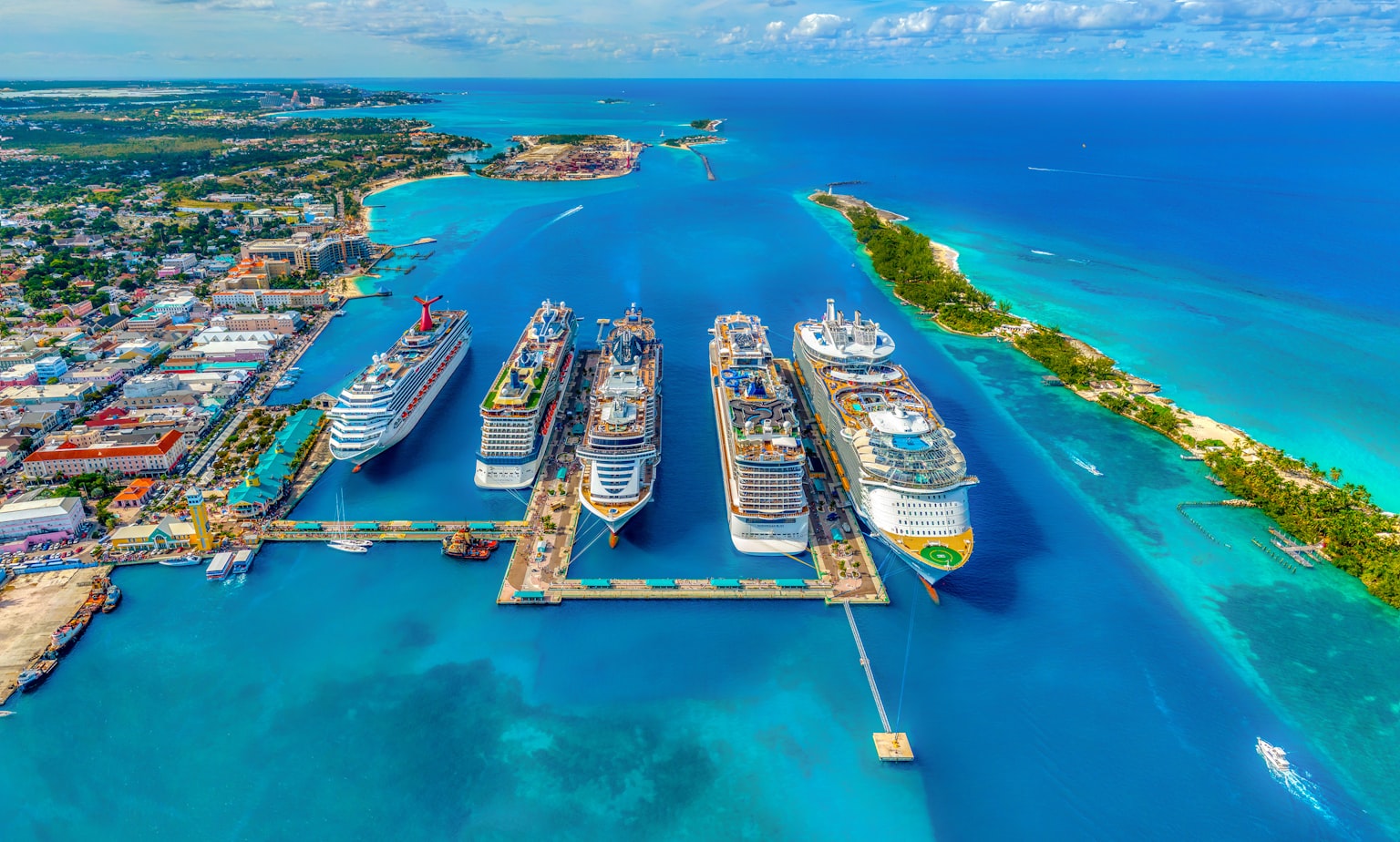
What started as a regional conflict has turned into one of the most severe maritime emergencies the cruise industry has ever faced. As of March 6, 2026, at least 15,000 cruise ship passengers and 20,000 seafarers remain stranded in the Persian Gulf, unable to leave as war has effectively sealed the Strait of Hormuz — the only maritime exit from the region.
The full scope of the crisis was laid out this week by the UN’s International Maritime Organization, and the numbers are staggering. According to The Manila Times, maritime authorities have upgraded the Strait of Hormuz, Gulf of Oman, and Persian Gulf to “warlike operations area” status — a designation that grants seafarers enhanced legal protections, but does nothing to actually get anyone home.
What’s Happening on the Ground
The immediate trigger was the joint US-Israeli military action against Iran on February 28, followed by Iranian retaliation that rapidly destabilized the entire Gulf region. Within days, vessel movements through the Strait of Hormuz had effectively halted. Danish shipping giant Maersk has already suspended all Gulf bookings. Seven maritime incidents have been recorded since hostilities began, resulting in two deaths and seven injuries at sea.
The cruise ships caught in this are not stranded in open water — most are docked at major ports in Dubai, Abu Dhabi, and Doha. But being at port offers little comfort when the airspace above is closed. The Manila Times reports that 90% of flights out of Dubai and Abu Dhabi have been disrupted, leaving passengers with no viable route home even when flights are technically available.
Oil tanker transits through the Strait of Hormuz have dropped 90% compared to the previous week, giving a stark measure of how completely the maritime corridor has shut down.
”The Worst Situation in 32 Years”
The ITF General Secretary Stephen Cotton did not mince words, describing the scene as the worst situation he has witnessed in his 32-year tenure — precisely because, in his words, “it’s so unclear on the diplomatic level.” IMO Secretary General Arsenio Dominguez echoed that gravity, stating plainly: “Beyond the economic impact of these alarming attacks, it is a humanitarian issue.”
That framing matters. Calling it a humanitarian issue shifts the conversation from insurance claims and refund policies to something with much higher stakes — the health, safety, and dignity of tens of thousands of people who booked a vacation and found themselves in the middle of a war zone.
What This Means for the Cruise Industry
The economic ripple effects are already visible. West Texas Intermediate crude surged over 5% to $78.88 per barrel — its highest point since January 2025 — while Brent North Sea crude jumped 3.6% to $84.34. For cruise lines, which burn enormous quantities of fuel, a protracted conflict that keeps oil prices elevated will squeeze margins for months, regardless of when the Strait reopens.
But the longer-term damage may be reputational. Multiple cruise lines have already begun permanently rerouting their 2026-2027 itineraries away from the Middle East entirely, redirecting capacity toward the Mediterranean and African ports. The billion-dollar cruise port investments that Dubai and Abu Dhabi have made over the past decade are now under serious threat — not just in the short term, but potentially for years, as travelers and cruise executives reassess the region’s viability as a destination.
What Happens to the Passengers?
For those currently stranded, cruise lines are offering the standard crisis playbook: full refunds, repatriation assistance, and future cruise credits at 125% value. That’s meaningful compensation, but it doesn’t answer the immediate logistical question of how you actually get 15,000 people out of a Gulf region with nearly no functioning air corridor.
The International Transport Workers’ Federation and the Joint Negotiating Group noted that “hundreds of vessels are stranded in the Gulf following the halt of vessel movements through the Strait of Hormuz” — a number that includes commercial cargo ships, tankers, and passenger vessels alike.
We’ve covered disruptions before: diverted sailings, weather cancellations, port strikes. This is different in kind. The scale is larger, the timeline is uncertain, and the geopolitical complexity means there is no simple fix on the horizon.
The Bigger Picture for Cruisers
If you have a cruise booked that touches any Middle East port in the coming months, now is the time to review your itinerary, contact your cruise line directly, and understand what your travel insurance covers in conflict-related scenarios. Many standard policies include “cancel for any reason” clauses that may apply here, but the specifics vary widely.
For the broader industry, this crisis is a reminder of how vulnerable cruise itineraries are to the geopolitical environment — especially in regions that have been aggressively marketed as premium destinations. The Middle East cruise market had been one of the fastest-growing segments globally. That growth story has now been interrupted in the most dramatic way possible.
The situation is evolving rapidly. We will continue monitoring developments as cruise lines work to bring their passengers home.