
What's Actually Included in Your Cruise Fare (And What Costs Extra)
Are cruise ships all inclusive? Here's exactly what's included in your cruise fare, what costs extra, and how to budget for the true total cost of your cruise.
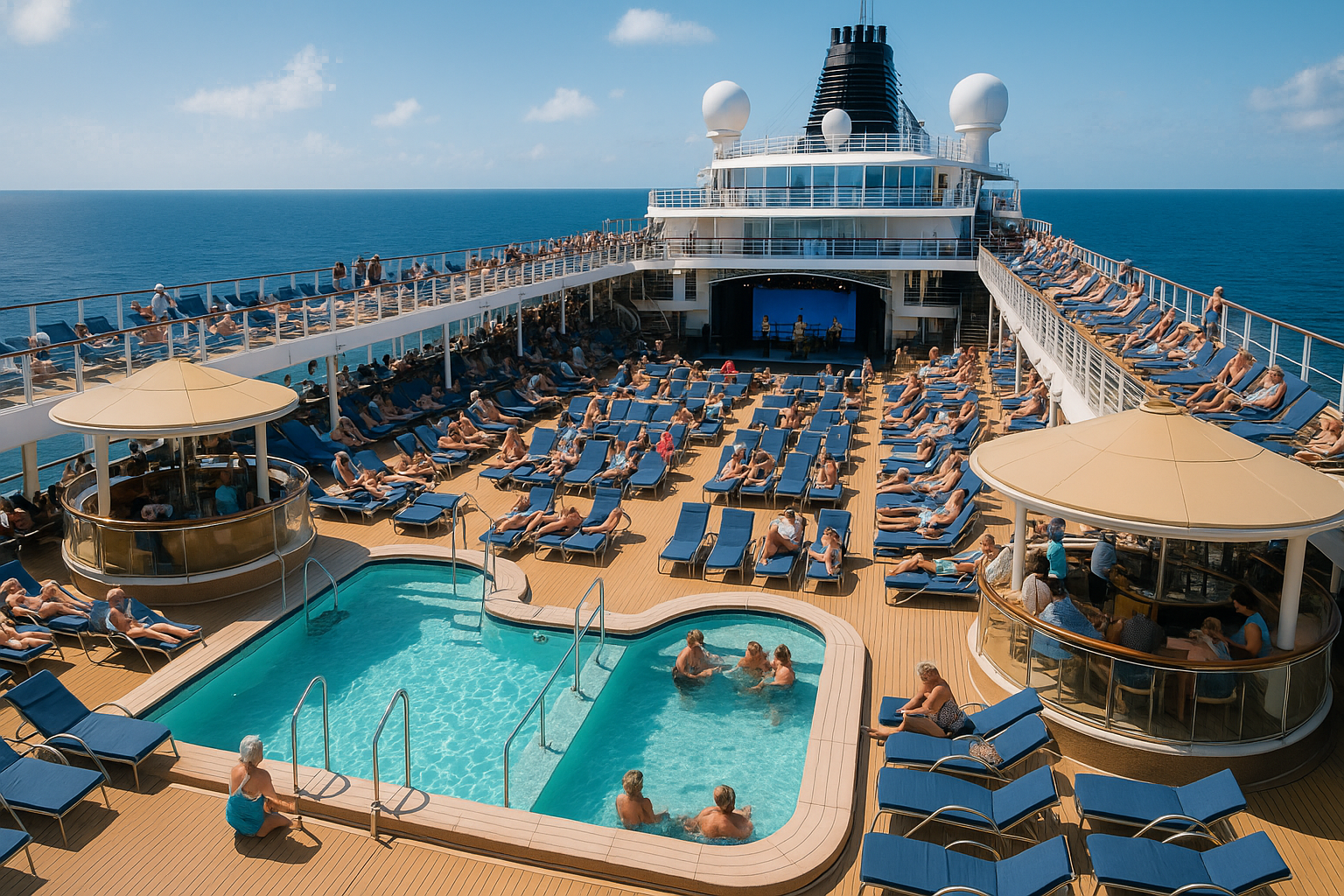
One of the most common misconceptions about cruising is that it’s an all-inclusive vacation. The advertised price per person is genuinely attractive — sometimes jaw-droppingly low — and it’s easy to assume that once you pay it, you’re done spending money. That assumption will cost you, sometimes significantly.
Cruises are not all-inclusive in the way an all-inclusive resort is. They’re more accurately described as “mostly-inclusive” — your cabin, basic meals, entertainment, and many onboard amenities are covered. But a long list of things cost extra, and if you don’t plan for them, your onboard account can climb to a surprising total by the time you disembark.
Here’s a complete, honest breakdown of what’s included, what’s optional, and what you’ll almost certainly pay for — followed by guidance on how to approach the lines that truly are all-inclusive.
Always Included: The Core Cruise Experience
These are the things you can count on being covered by your base fare on virtually every cruise line, from budget to ultra-luxury.
Accommodation: Your cabin — whether it’s an interior stateroom, oceanview, balcony, or suite — is fully included. Cabins are cleaned and refreshed twice daily on most lines (though some have moved to once-daily service). Towels, linens, and basic toiletries are provided.
Main meals: Three meals a day, every day. The main dining room (MDR) for dinner, the buffet (Lido deck or equivalent) for breakfast, lunch, and casual dinners, and room service for basic items during most hours are all covered. Some lines have expanded their included casual dining options significantly — Norwegian, for example, includes several distinct restaurants in your base fare.
Entertainment: Live shows, Broadway-style productions, comedy acts, magic shows, deck parties, and movie screenings are all included. On major ships (Royal Caribbean’s Symphony of the Seas, for example), this entertainment is genuinely impressive in scale and production value. You don’t pay extra for the theater.
Pools and recreation: Pool access, hot tubs, sports courts, running tracks, mini-golf, and similar open-deck amenities are included. The gym/fitness center is also typically included on most lines.
Kids’ clubs: On lines that cater to families (Carnival, Royal Caribbean, Norwegian, Disney, MSC), the supervised youth programs — divided by age group — are included in the base fare. This is significant: a week of full-time supervised programming for children is built into what you’ve already paid.
Non-alcoholic beverages in dining venues: Water, coffee, tea, lemonade, and juice at meals are included. This is sometimes confused — if you order a soda or juice from a bar (rather than at your dining table during a meal), it typically costs extra.
Port taxes and fees: These are usually included or added as a mandatory line item on your booking confirmation. They’re not optional extras — they’re part of what you pay.
Sometimes Included: Depends on Your Package or Line
These items are included on some lines, for some cabin categories, or as part of promotional packages — but are extras on others.
Alcoholic beverages: On mass-market and most premium lines, alcohol is not included. You can purchase drinks individually or buy a beverage package. Drink packages on lines like Royal Caribbean, Carnival, and Norwegian typically run $70 to $120 per person per day and are worth it only if you’re consistent drinkers — roughly four to five alcoholic drinks per day is the break-even point.
Wi-Fi and internet: Almost universally an extra cost on mass-market and premium lines. Packages range from around $15 to $35 per device per day. Some loyalty programs include complimentary internet access.
Specialty dining: The additional restaurants beyond the MDR and buffet — steakhouses, sushi bars, Italian trattorias, fine dining concepts — cost extra. Prices range from $25 to $75+ per person. Dining packages that bundle multiple specialty restaurant visits can offer 20 to 30% savings versus paying per venue.
Gratuities: This is the one that catches first-time cruisers most off guard. Most cruise lines add an automatic daily gratuity (sometimes called a “service charge” or “crew appreciation”) to your onboard account. Rates typically run $16 to $22 per person per day on mass-market lines. On a 7-night cruise for two people, that’s $224 to $308 added to your bill before you’ve spent a dollar on anything else. Some lines (NCL, Celebrity) include gratuities in certain fare categories or promotional packages. Virgin Voyages includes gratuities in all fares.
Room service fees: Basic room service is often included during certain hours, but 24-hour room service, premium items, or off-hours delivery frequently carry a delivery fee.
Never Included: Accept It and Budget Accordingly
Shore excursions: This is typically where the most money leaves your pocket beyond the base fare. Cruise line-organized excursions run anywhere from $50 to $250+ per person. A family of four doing one organized excursion per port on a 7-night Caribbean cruise (3-4 port days) could easily spend $600 to $1,500 on excursions alone. Independent tours booked through local operators at port are often 30 to 50% cheaper for comparable experiences.
Spa and thermal suite: The spa is a significant revenue center on cruise ships. Massages run $120 to $200 for an hour, facial treatments are similarly priced, and access to the thermal suite (heated loungers, steam rooms, hydrotherapy pools) can be $30 to $50 per day or bundled as a week pass. The spa is genuinely nice; just go in knowing the pricing.
Casino: The casino operates independently of everything else onboard. Gambling expenses are entirely your own.
Photography: Ship photographers capture moments throughout the voyage — embarkation, formal nights, port departures. Individual prints or digital downloads are sold through the photo gallery and can be expensive. Packages offer better value if you want a set of memories.
Specialty beverages and premium coffee: A specialty coffee from the ship’s café (Starbucks-branded or equivalent), bottled water purchased at bars, fresh-squeezed juice, or smoothies all cost extra. This adds up daily if you’re a habitual coffee drinker.
Laundry: Sending laundry to the ship’s laundry service incurs per-item fees. Self-service laundromats are available on many ships for coin or card use. For a week-long cruise most people simply manage with what they packed, but longer voyages make this relevant.
Medical care: The ship’s medical center is a functioning clinic staffed by a doctor and nurses, but it operates on a fee-for-service basis (usually billed to your onboard account or credit card). Travel insurance with medical coverage is strongly recommended for this reason.
Line-by-Line: What’s Actually Included at a Glance
| Line | Gratuities | Drinks | Wi-Fi | Specialty Dining |
|---|---|---|---|---|
| Carnival | Extra | Extra | Extra | Extra |
| Royal Caribbean | Extra | Extra | Extra | Extra |
| Norwegian | Included in some packages | Extra | Extra | Extra |
| MSC | Extra | Extra | Extra | Extra |
| Celebrity | Included in most fares | Some packages | Some packages | Extra |
| Holland America | Extra | Extra | Extra | Extra |
| Princess | Extra | Some packages | Some packages | Extra |
| Viking | Included | Beer/wine at meals included | Included | No specialty |
| Oceania | Included | Included (non-premium) | Included | Included |
| Virgin Voyages | Included | Included | Extra | Included (most) |
| Regent Seven Seas | Included | Included | Included | Included |
| Silversea | Included | Included | Included | Included |
| Seabourn | Included | Included | Included | Included |
Truly All-Inclusive Cruise Lines
If you want to board and spend almost nothing beyond your fare, these lines deliver genuine all-inclusive experiences.
Regent Seven Seas is the gold standard: every shore excursion, every specialty restaurant, unlimited premium alcohol, Wi-Fi, gratuities, and even pre-cruise hotel stays are included. The per-person fare is high — often two to five times what a comparable Celebrity or Holland America sailing costs — but when you add up what’s included, the effective cost difference narrows considerably.
Silversea is similar in scope. Their butler service, included shore excursions, premium beverages, and specialty dining make for a genuinely all-in experience. The fleet tends toward smaller, more intimate ships that access ports large ships can’t reach.
Seabourn also competes at this level with outstanding included dining (they have a Nobu Matsuhisa partnership on select ships) and all-inclusive drinks, gratuities, and entertainment.
Viking Ocean offers a middle ground: less expensive than Regent or Silversea, but with included beverages at meals, Wi-Fi, gratuities, and port excursions on some itineraries. They don’t have a casino or a particularly heavy bar culture — Viking attracts a different traveler than the typical mass-market line.
Virgin Voyages is the most interesting newer entrant. All gratuities, all specialty dining, most fitness classes, and even some on-demand services are included. They target a younger, drinks-optional clientele and have built a genuinely different onboard culture.
How to Budget for the True Total Cost
When comparing cruise prices, add these to the base fare for a realistic picture:
- Gratuities: $17–$20/person/day on mass-market lines
- Drinks: $0 if moderate drinkers, up to $100/person/day if buying a premium package
- Shore excursions: $50–$150/person/port day (budget $100 as a rough midpoint)
- Specialty dining: $40–$70/person/meal if you go twice in a week
- Wi-Fi: $15–$30/device/day if needed
- Spa: Variable, but budget $0 to $200+ per person for the week
- Casino: Variable
- Tips beyond gratuities: Optional, but many passengers tip outstanding cabin stewards or waitstaff at the end of the cruise
For a couple on a 7-night Caribbean cruise with a base fare of $1,200 total:
- Gratuities: +$238 (at $17/day each)
- Basic drink package: +$500 (skipping this and buying drinks individually often costs more)
- Two specialty dinners: +$160
- Two excursions each: +$400
- Wi-Fi for one device: +$100
Realistic total: ~$2,600 — more than double the advertised base fare.
This is not a criticism of cruising — that $2,600 total for a week-long vacation for two including all meals, entertainment, accommodation, and transportation between destinations remains genuinely competitive. But going in with accurate expectations is essential for avoiding an unpleasant surprise when your onboard account statement arrives on the last morning.
The simplest rule: whatever the base fare says, mentally add 50 to 100% to get to the true all-in cost. Then decide whether that number is a good deal for what you’re getting — because for most people, it is.