
How Cruise Ship Tipping Works: What to Pay and When
A complete guide to cruise ship gratuities — automatic tips, cash tipping, per-line rates, who gets what, and how to adjust or remove auto-gratuities.
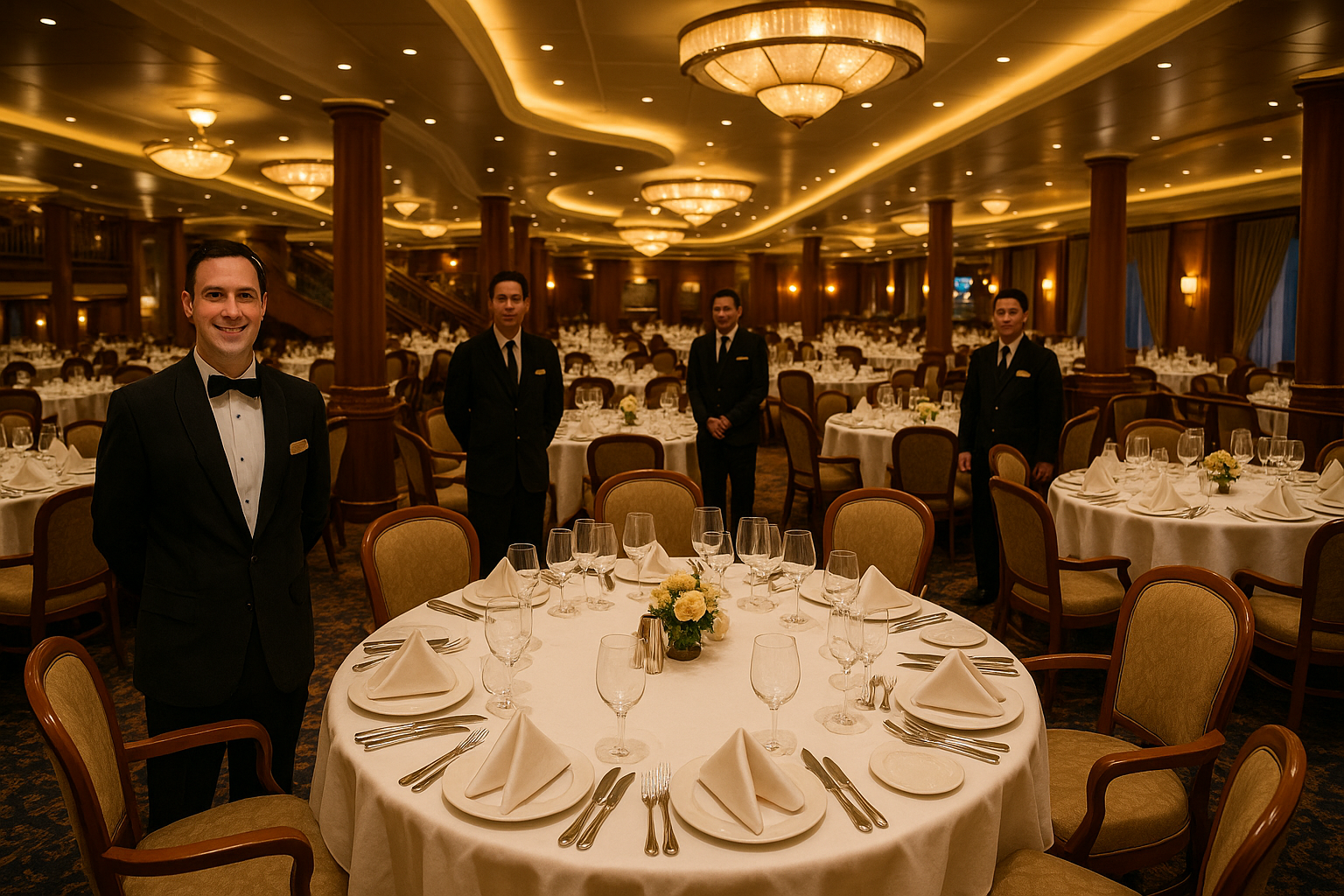
Tipping on a cruise is one of those topics that nobody fully explains before you board — and then you’re staring at your onboard account on day one wondering why there’s already a $200 charge you didn’t expect. Whether you’re a first-time cruiser or a seasoned traveler who just switched cruise lines, understanding how gratuities work will save you money, reduce stress, and help you treat the hardworking crew fairly.
What Are Automatic Gratuities?
Most major cruise lines have moved to a system called automatic gratuities (also called daily service charges or daily gratuities). Instead of leaving cash at the end of your trip, a fixed dollar amount per person per day is charged directly to your onboard account. This amount is then pooled and distributed among crew members who work behind the scenes — cabin stewards, dining room servers, assistant servers, and behind-the-scenes kitchen and housekeeping staff who you may never personally interact with.
The system exists because cruise ships employ enormous crews (sometimes 1,000–1,500 people on large ships), many of whom provide service without direct guest contact. Automatic gratuities ensure that everyone who contributes to your experience receives compensation.
What Do Automatic Gratuities Cover?
Automatic gratuities typically cover:
- Main dining room servers and assistant servers
- Buffet and casual dining staff
- Cabin stewards (your room attendant)
- Behind-the-scenes housekeeping and culinary staff
They do not automatically cover specialty restaurant servers, bartenders, spa staff, or room service — those come with separate tipping expectations.
Gratuity Rates by Cruise Line
Every major cruise line sets its own daily gratuity rate, and these figures change periodically (usually creeping upward each year). Here are the current standard rates per person, per day:
| Cruise Line | Standard Rate | Suite/Higher Categories |
|---|---|---|
| Carnival Cruise Line | $16.00 | $18.00 (suite guests) |
| Royal Caribbean | $18.00 | $20.50 (suites/Star Class) |
| Norwegian Cruise Line | $20.00 | $25.00 (The Haven/suites) |
| Celebrity Cruises | $18.00 | $23.00 (suites) |
| MSC Cruises | $16.00 | $17.50 (Yacht Club) |
| Disney Cruise Line | $15.00 | $15.00 (no variation) |
| Holland America Line | $16.00 | $17.50 (suites) |
| Princess Cruises | $16.00 | $17.00 (suites) |
For a 7-night cruise for two adults, automatic gratuities at these rates run $224 to $287 depending on the line — a meaningful addition to your vacation budget that’s worth factoring in when comparing cruise prices.
Are Cruise Tips Mandatory?
Here’s where it gets nuanced. Automatic gratuities are added automatically to your onboard account, but on most U.S.-based cruise lines they are technically removable. You can visit guest services and request to have them reduced or removed entirely. However, doing so is generally considered poor form — the crew relies on this income — and some lines have made the process deliberately inconvenient.
Norwegian Cruise Line and Virgin Voyages have moved toward a “service charge” model where the fee is harder to waive (NCL frames theirs as mandatory). MSC Cruises typically pre-charges gratuities at booking for North American sailings. Disney Cruise Line is the most flexible, allowing gratuity removal or adjustment at any time.
If you’ve had genuinely poor service and want to address it, guest services can adjust amounts for specific crew members without removing the whole pool.
Cash Tipping: Who, What, and When
Automatic gratuities handle the baseline, but there’s a separate universe of cash tipping for specific services. These are optional but appreciated — and in some cases, expected.
Room Service
Room service is typically not covered by the automatic gratuity pool. If you order to your cabin, plan to tip $2–$5 per delivery, depending on the size of your order. Some lines (like Royal Caribbean) have added delivery fees for room service, which are not gratuities — those fees go to the line, not the staff member.
Bartenders and Bar Staff
Bars charge an automatic 18–20% gratuity on every drink you purchase. If you’re on a drink package, gratuities are usually included in the package price (or added as a separate fee at booking). If you find a bartender who makes your trip exceptional, a $1–$2 cash tip per round is always appreciated and often results in faster, friendlier service.
Specialty Restaurant Servers
Specialty restaurants (Carnival’s Fahrenheit 555, Royal Caribbean’s Chops Grille, etc.) typically charge automatic gratuity on the cover charge or your bill. You’re not obligated to tip additionally, but exceptional service warrants a few extra dollars.
Shore Excursion Guides
Your cruise line’s automatic gratuity has nothing to do with land-based guides. For organized excursions, tipping your guide $5–$10 per person and your driver $2–$5 per person is standard practice. For private, custom excursions with an exceptional guide, $20+ per person is appropriate.
Spa and Salon Staff
Most cruise lines add an automatic 18–20% gratuity to spa and salon services. Check your bill before signing — if it’s not already there, add 15–20% yourself. You can usually adjust the spa gratuity right at the spa desk.
Kids Club Staff
Disney Cruise Line explicitly discourages tipping youth club staff. Other lines generally follow this guideline as well — kids club counselors are typically salaried and the service is covered in the automatic gratuity pool.
How to Adjust or Remove Automatic Gratuities
If you want to modify your automatic gratuities, here’s how the process typically works:
- Visit guest services — Located near the atrium on most ships. Bring your cabin key card.
- Request an adjustment — You can reduce the daily amount, remove it entirely, or ask for changes to specific crew member allocations.
- Timing matters — Make changes before the final night (or final morning). After your account closes, changes become much harder.
- Prepaid gratuities — If you prepaid gratuities at booking, contact the cruise line before your sailing to make changes. On the ship, the process may be different.
Some lines have pushed back on removing gratuities in recent years. Norwegian, for example, requires you to submit a written explanation. Don’t expect a warm reception, but it is your right on most lines.
Prepaying vs. Paying Onboard
Many cruise lines let you prepay gratuities at booking — and we generally recommend it for two reasons:
- Budgeting: You know the exact cost upfront and don’t face a surprise charge on your final bill.
- Promotions: Lines occasionally offer “free gratuities” as a booking promotion — always worth watching for.
The downside is you lose the ability to adjust if service is poor (though you can still address this at guest services).
Should You Tip Extra?
If you’ve had exceptional service — a cabin steward who went above and beyond, a server who remembered your coffee order and made your dining room experience feel special — a cash tip at the end of the voyage is a meaningful gesture. Most guests who tip extra do so on the final evening or morning.
Practical amounts for exceptional service:
- Cabin steward: $20–$40 extra at the end of a 7-night cruise
- Dining room server/assistant: $10–$20 each
- Bartender (if you frequented one spot): $10–$20 total
There’s no obligation, but the crew will genuinely appreciate it — and it’s one of the most human parts of the cruising experience.
The Bottom Line
Cruise tipping doesn’t have to be confusing once you understand the structure. Automatic gratuities handle the crew who keeps your ship running and your room clean. Cash tips handle the individual service experiences that stand out — the bartender who knows your order, the guide who made your port day unforgettable, the server who made every dinner feel like an occasion.
Budget for automatic gratuities when you compare cruise line prices — they’re a real cost. But also think of them as what they are: the compensation system for thousands of people who work extraordinarily hard to make your vacation happen.