
When Is Cruise Hurricane Season? The Best and Worst Months to Book
Month-by-month guide to cruise hurricane season risk, which Caribbean and Gulf routes are most affected, and what cruise lines do when a storm threatens your sailing.
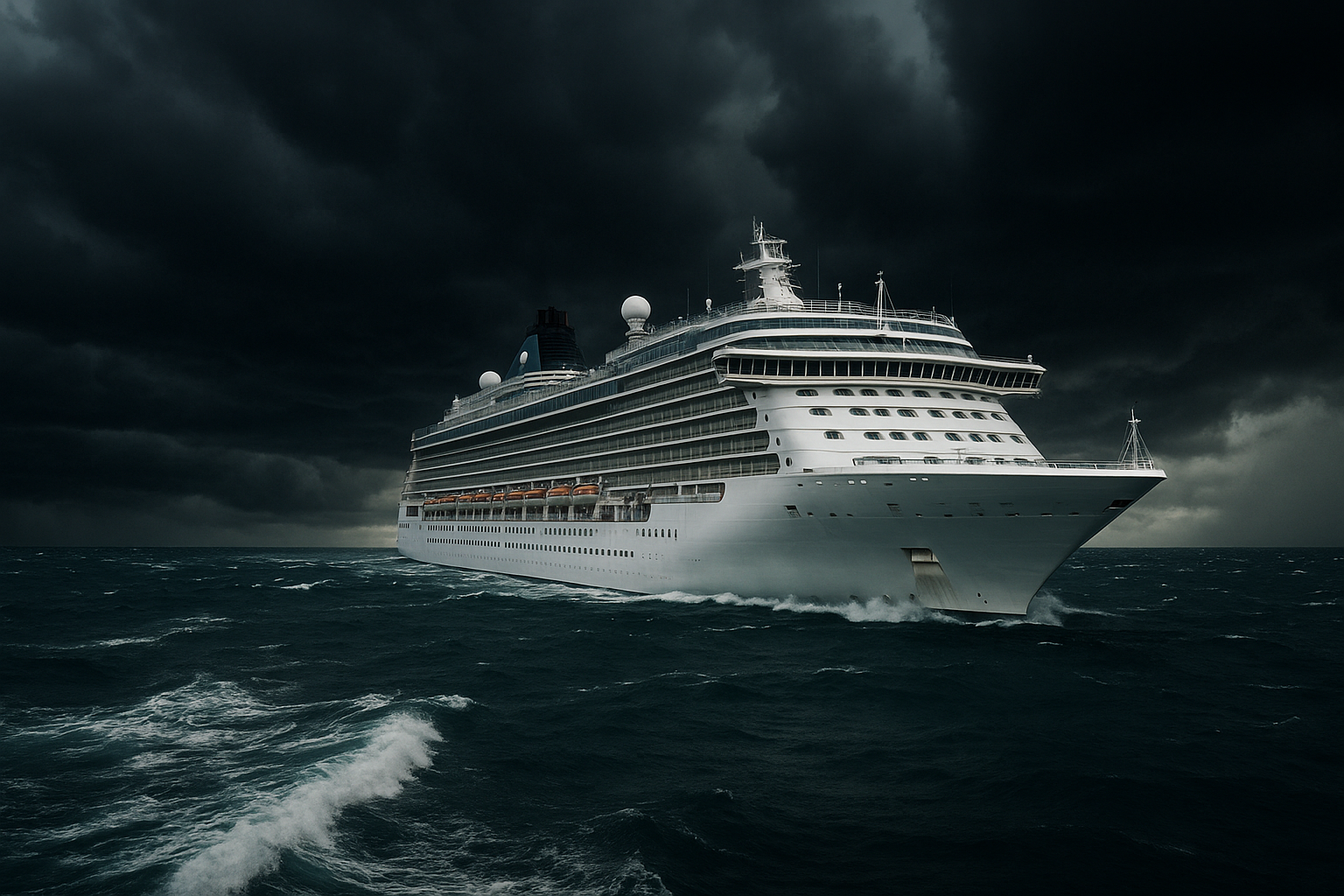
The official Atlantic hurricane season runs from June 1 through November 30 — but if you’re planning a Caribbean or Gulf of Mexico cruise, that’s almost half the year. The good news is that the actual risk isn’t evenly spread across those six months, and modern cruise ships are extraordinarily good at avoiding storms. Here’s what you actually need to know.
Understanding Hurricane Season Risk by Month
Not all hurricane season months are created equal. The Atlantic basin follows a fairly predictable pattern of storm activity that should inform when you book.
June — Low Risk, Early Season
June is technically hurricane season, but activity is minimal. The water hasn’t fully warmed yet, and large, organized storms are rare. Caribbean cruises in June carry low weather risk and often offer better pricing than the peak winter season. Expect higher humidity and some afternoon showers at ports.
Risk level: Low
July — Moderate Risk, Gulf Beware
Activity picks up in July, particularly in the Gulf of Mexico and the western Caribbean. The Gulf is one of the most volatile areas during hurricane season because its shallow, warm waters rapidly intensify storms. Eastern Caribbean routes (Puerto Rico, St. Maarten, Barbados) see less activity in early July.
Risk level: Moderate (higher in Gulf routes)
August — Peak Season Begins
August marks the start of the most active stretch of hurricane season. Storms begin forming farther out in the Atlantic — the Cape Verde storms — and these tend to be larger and more organized. The Bahamas, Cuba, Haiti, and the Leeward Islands face elevated risk. August is still a heavily booked month due to summer school vacation schedules.
Risk level: High
September — The Most Dangerous Month
September is statistically the peak of Atlantic hurricane season. More named storms make landfall in September than any other month, and the most destructive historical hurricanes — Dorian, Maria, Irma, Katrina — all occurred in August–September. If weather risk is a concern for you, September is the month to avoid or plan very carefully around.
Risk level: Very High
October — Elevated but Declining
October remains active, though activity typically begins to decline after mid-month. Late-season storms can be unpredictable in their paths. Eastern Caribbean and the Bahamas remain more exposed than southern Caribbean destinations like Aruba, Curaçao, and Bonaire (the “ABC islands”), which sit below the typical storm belt.
Risk level: High (early), Moderate (late)
November — Shoulder Season Returns
By November, storm activity drops significantly. The season officially ends November 30, but meaningful hurricane risk has usually passed by mid-month. November cruises often represent excellent value — lower fares than winter peak season with minimal weather disruption risk.
Risk level: Low to Moderate
Which Cruise Routes Are Most Affected
Not all Caribbean cruises carry the same risk. Geography matters a great deal.
Highest Risk Routes
- Gulf of Mexico (ports including Cozumel, Progreso, New Orleans embarkation): The Gulf’s warm, shallow water supercharges storms. Even storms that aren’t forecast to hit the U.S. coast can disrupt Gulf itineraries.
- Western Caribbean (Grand Cayman, Belize, Roatán, Costa Maya): Frequent storm track during peak season.
- The Bahamas: Short-sail from Florida, very popular, and directly in the path of many storm tracks toward the U.S. Eastern Seaboard.
- Lesser Antilles / Leeward Islands (St. Maarten, St. Kitts, Antigua): Historically hit hard by major storms, particularly in years with active Cape Verde storm seasons.
Lower Risk Routes
- Southern Caribbean / ABC Islands (Aruba, Curaçao, Bonaire): These islands sit close to the Venezuelan coast and are generally south of the hurricane belt. They see rain and rough seas from distant storms but rarely take direct hits.
- Eastern Caribbean (Puerto Rico, St. Thomas, Barbados): More exposed than the ABCs but less so than the western Caribbean during peak months.
- Bermuda: Bermuda lies in a storm corridor and can be directly affected, particularly in September and October.
- Alaska: Zero hurricane risk — and a gorgeous alternative for summer and early fall sailings.
- Mediterranean and Northern Europe: Outside the Atlantic hurricane zone entirely.
What Happens If a Hurricane Threatens Your Cruise
This is where the cruise industry actually performs extremely well. Modern cruise ships are highly maneuverable and have sophisticated weather routing technology. The captain always has the authority — and the obligation — to alter course for passenger safety.
Itinerary Changes
The most common outcome of a threatening storm is a port substitution or itinerary change. If a hurricane is forecast to hit St. Maarten, your ship simply skips St. Maarten and goes somewhere else — perhaps St. Kitts or Antigua. You’re still having a cruise; you’re just not going to that specific port.
Cruise lines have enormous flexibility here and exercise it routinely during hurricane season. Sometimes you don’t find out about the change until 24–48 hours before the affected port. This is normal and legal — cruise line passenger contracts explicitly permit itinerary changes for weather.
Delayed Departures and Early Returns
If a storm is threatening the embarkation port, your departure may be delayed by a day or two. If a storm develops during your sailing, ships have returned to port early. In both cases, the cruise line’s response — in terms of compensation — depends on the circumstances.
What Cruise Lines Owe You (and What They Don’t)
Cruise passenger contracts are largely unfavorable for weather disruptions:
- Port substitutions: You are generally owed nothing. The cruise line may offer a small future cruise credit as goodwill, but it’s not required.
- Early return: If the cruise is significantly shortened, cruise lines typically offer a prorated refund or future cruise credit.
- Cancellation before sailing: If the cruise line cancels the sailing, you’re entitled to a full refund. If you cancel due to weather concerns, your refund depends on your cancellation policy.
This is why travel insurance matters so much during hurricane season.
Travel Insurance and Hurricanes
Standard travel insurance with “cancel for any reason” (CFAR) coverage or trip interruption/delay benefits is worth serious consideration for hurricane season sailings.
Key things to know:
- Purchase early: You must buy travel insurance before a storm is named for the insurance to cover that storm. Once a hurricane is named and forecast, it’s a “known event” and no longer covered by newly purchased policies.
- CFAR policies: Cancel for any reason coverage lets you cancel for any reason up to 48–72 hours before departure for partial (usually 75%) reimbursement. This gives you flexibility if forecasts look bad before you leave.
- Cruise line policies: Most major cruise lines now offer flexible cancellation options during hurricane season that allow changes with reduced or no penalty — but these policies vary by line and fare type.
Best Months to Book a Caribbean Cruise
Taking weather risk, pricing, and crowd levels together, here’s our general recommendation:
Best overall months: December, January, February, March — the classic winter cruise season. Minimal storm risk, lower humidity, cooler temperatures. Busiest and most expensive.
Best value with low risk: April, May — spring is excellent. School spring breaks bring some crowds in late March/April, but May is a sweet spot of low prices and great weather.
Good value, managed risk: November, early June — both offer lower prices with minimal actual storm risk.
High risk, avoid if weather-sensitive: August through October — the core of peak season. Prices are often lower precisely because of the weather risk. Go in with eyes open.
What About Other Destinations During Hurricane Season?
If you want a cruise during peak season without hurricane risk, there are legitimate options:
- Alaska: Alaska cruise season runs May through September — entirely outside hurricane territory. The “Inside Passage” is stunning in summer.
- Europe: Mediterranean and Northern Europe sailings peak in summer. No Atlantic hurricane exposure.
- Hawaii: Hawaii has its own rare tropical storm season (June–November), but major hurricane landfalls are historically uncommon compared to the Atlantic basin.
- South America: Repositioning cruises and South American itineraries during fall shoulder season can be an excellent alternative.
The Realistic Takeaway
Thousands of Caribbean cruises depart every week during hurricane season, and the vast majority complete their itineraries without significant disruption. The cruise industry has decades of experience navigating storm avoidance, and modern ships and weather technology mean your safety is never seriously in question.
What hurricane season does affect — with meaningful frequency — is whether you get to visit every port on your original itinerary. If seeing a specific island is important to you (a wedding in St. Lucia, a bucket list stop in Antigua), hurricane season adds uncertainty you can’t fully insure away. If a great cruise experience matters more than a specific port, the lower fares of peak storm months may be worth the tradeoff.
Book with a flexible fare when you can, buy travel insurance early, and keep an eye on the National Hurricane Center’s forecast in the week before you sail. The ship will handle the rest.