
Alaska Cruise Packing List: What to Bring Month by Month
The definitive Alaska cruise packing list covering layering strategy, month-by-month weather from May to September, excursion gear, rain essentials, and what to leave home.
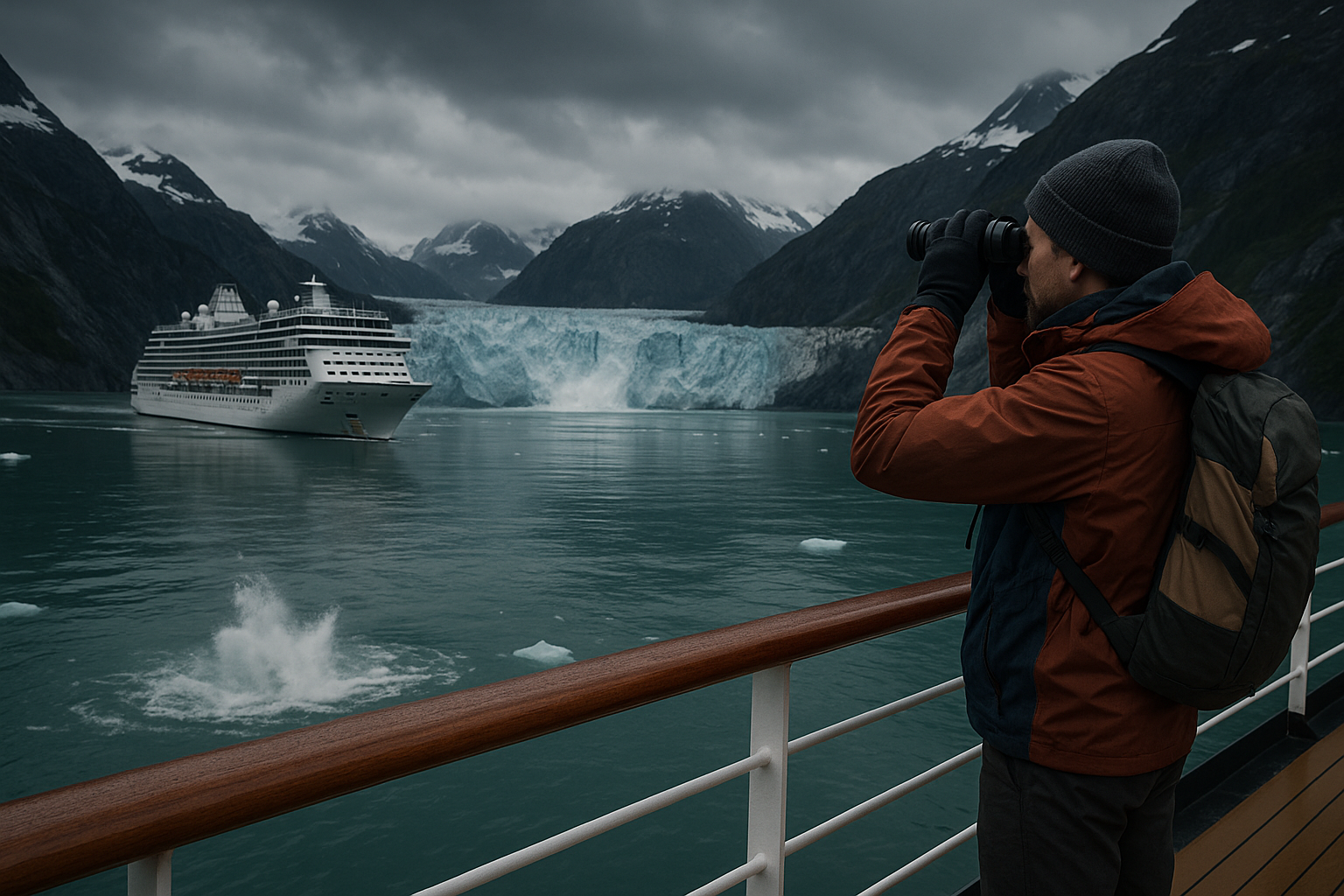
Alaska is the most dramatically different packing challenge in cruising. You’re not throwing sundresses and flip-flops in a bag and calling it done. You’re preparing for weather that can swing 30 degrees in a single afternoon, rain that arrives with no warning, glacier hikes that demand real footwear, and one of the most photogenic environments on Earth that demands proper camera gear. Pack right and you’ll be comfortable and ready for everything. Pack like you’re heading to the Caribbean and you’ll spend your excursion budget at the Juneau gift shop buying an emergency fleece.
The Core Principle: Layering
Forget packing for a temperature. Pack for a range. Alaska cruise weather moves fast, and the strategy that works for every traveler, from May through September, is the layering system:
Base layer: Moisture-wicking material (merino wool or synthetic). This sits against your skin and manages perspiration. Cotton is the enemy here — it absorbs moisture and stays wet, making you cold.
Mid layer: Insulation. A fleece jacket or lightweight down vest goes over your base layer and traps heat. This is what you’ll take on and off most frequently.
Outer shell: A waterproof, windproof jacket. Non-negotiable in Alaska. This is your armor against the rain and wind that defines the Inside Passage. It does not need to be heavy — a packable rain shell is enough for most days.
With these three layers you can handle 40°F drizzle on a whale watching boat and 65°F sunshine in Ketchikan on the same day. Add or remove layers as conditions change.
Month-by-Month Weather Guide
May: Early Season — Cold and Uncrowded
May is the shoulder season beginning. Ports are quieter, wildlife is active (bears are out, whales are feeding), and the landscapes are especially green after snowmelt.
Temperatures: 40-55°F in most ports. Ship days can feel colder due to wind chill on deck. Rain: Moderate — expect 12-15 days with some precipitation. What you need: Full layering system, waterproof pants, warm hat and gloves, thick wool socks. This is the most demanding packing month. Pack as if there will be no warm days — and be pleasantly surprised when there are.
Extra considerations for May: Bring hand warmers. May in Glacier Bay or Hubbard Glacier is genuinely cold when the ship slows down for viewing. The cold ocean air on the open decks can be brutal during scenic cruising days.
June: The Sweet Spot
June is arguably the best month to cruise Alaska: long daylight hours (up to 18+ hours in some ports), mild temperatures, and the most reliable weather window.
Temperatures: 50-65°F on most days, with occasional warmer stretches. Rain: Lower than May — Juneau and Ketchikan are always damp, but Skagway and Haines often see beautiful sunshine in June. What you need: Full layering system, but you’ll likely spend most port days in just two layers. A light rain shell is still essential. Pack at least one sweater.
July: Peak Season
July brings the highest temperatures of the Alaska cruise season and the largest crowds. Wildlife remains active, glaciers are accessible, and prices peak.
Temperatures: 55-70°F and occasionally warmer. The warmest days can reach the upper 70s in interior areas. Rain: Ketchikan and Juneau are still wet; Skagway and Icy Strait Point see drier conditions. Pack rain gear but expect to use it less than in May or June. What you need: A lighter approach to layering is fine. You can swap the heavy fleece for a lightweight merino mid-layer. Rain shell is still required. Bring a hat that works for sun protection, not just warmth.
August: Late Summer Warmth
August is warm and relatively dry by Alaska standards. The foliage is lush, berries are ripening, and the late-season wildlife viewing — especially for bears feeding on salmon — is exceptional.
Temperatures: 55-68°F in coastal areas. Rain: Similar to July. Expect some rain, just not constant. What you need: Essentially the same as July. Keep the rain shell. Layers are still useful in the mornings and on the water.
September: Early Fall, Dramatic Scenery
September sailings are underrated. The crowds thin sharply, prices drop, the fall foliage begins appearing, and operators haven’t yet closed for the season. The light turns golden and photography becomes extraordinary.
Temperatures: 45-58°F, cooling quickly as the month progresses. Rain: Increasing through September. Expect wetter conditions, especially later in the month. What you need: Back to heavier layering. September sailors should bring everything May cruisers bring. A truly waterproof outer shell — not just water-resistant — matters more in September. Late September sailings can feel almost wintry; bring extra warm layers.
Clothing Checklist
Upper body:
- 2-3 moisture-wicking base layer tops
- 2 mid-weight long-sleeve shirts
- 1-2 fleece jackets or down vests
- 1 packable waterproof/windproof shell (this is your most important item)
- 2-3 casual shirts or blouses for onboard evenings
- 1 dressier top or blazer for formal or smart-casual nights
Lower body:
- 2-3 pairs of quick-dry pants or jeans (not cotton-only if possible)
- 1 pair of waterproof hiking pants or rain pants
- 1-2 casual options for onboard evenings
- 1 dressier option for formal nights
Footwear:
- Waterproof hiking boots with ankle support (this is non-negotiable for any land excursion)
- Casual sneakers or walking shoes for easy port days
- Slip-on sandals or flip-flops for the ship (pools still exist on Alaska cruises)
- Optional: rubber boots if you’re planning wet zodiac tours or intertidal excursions
Accessories:
- Warm hat (wool or fleece)
- Light gloves (liner gloves are fine for May and September; lighter for summer months)
- Neck gaiter or light scarf
- Sun hat or ball cap (June/July/August)
- Sunglasses (the water glare on sunny days is intense)
- Wool or wool-blend socks — 3-4 pairs minimum. Cotton socks in wet conditions are miserable.
Excursion-Specific Gear
Whale Watching
Whale watching boats in Alaska are open-deck vessels on the open ocean. They are cold regardless of the air temperature because of wind chill and ocean spray. Bring your full layering system plus rain gear. Stand near the heated cabin when you need to warm up. Polarized sunglasses help reduce water glare when scanning the surface.
Glacier Hiking
If you’re walking on a glacier — Mendenhall, Root, or any other — you’ll be in crampons over an icy surface. The guide company provides crampons and harnesses, but you need:
- Waterproof hiking boots with firm ankle support (mandatory — guides won’t take you with soft-soled shoes)
- Waterproof gloves
- Full rain gear
- Layers underneath
The glacier itself is colder than the air temperature suggests due to radiative cooling from the ice. Dress warmer than you think you need to.
Kayaking and Water Activities
Kayaking excursions provide dry bags for your belongings, but you’ll want quick-dry layers underneath whatever outerwear they provide. Bring a full change of clothes in a dry bag for the return trip.
Wildlife Viewing and Photography
For bear watching excursions in Anan Wildlife Observatory, Pack Creek, or similar sites, you’re often standing still in one location for extended periods. Cold sets in fast when you’re not moving. Extra layers matter here more than on active excursions.
Rain Gear: Your Most Important Investment
If there’s one item that separates prepared Alaska cruisers from unprepared ones, it’s quality rain gear.
What you need: A jacket that is truly waterproof — Gore-Tex or equivalent — not just “water-resistant.” The drizzle in Southeast Alaska is persistent and fine. Water-resistant eventually soaks through; waterproof doesn’t.
Rain pants: Optional for most travelers but genuinely useful for whale watching and kayaking. Look for packable options that fold into a compact pouch.
What you do not need: A heavy ski jacket or parka. You want layering flexibility, not a single heavy garment. A bulky ski jacket locks you into one temperature range and packs terribly.
Good packable rain shells from brands like Patagonia, Arc’teryx (if budget allows), Marmot, or Columbia’s Omni-Tech line run $80-$250. This is one item worth buying specifically for the trip if you don’t already own one.
Camera Gear and Binoculars
Alaska is the single best reason to upgrade your camera setup before a cruise. The wildlife viewing opportunities — humpback whales, orca, grizzly bears, Dall’s porpoise, bald eagles — reward zoom capability.
Binoculars: Pack a pair. The difference between watching a distant humpback blow and actually seeing it breach clearly is a good set of binoculars. 8x42 or 10x42 configurations work well on the water.
Camera: A telephoto lens (200mm or longer) dramatically improves wildlife photography. If you’re using a phone, a clip-on telephoto lens attachment is a practical compromise.
Waterproof protection: Sea spray and rain are a constant reality. A simple dry bag or waterproof camera bag is essential. Waterproof phone cases are worth the $20 investment.
Extra batteries and memory cards: Cold temperatures drain batteries faster. Bring at least two spare batteries and more memory than you think you’ll need. You will take more photos in Alaska than on any other cruise.
Medications and Health Items
- Motion sickness medication: Alaska’s Inside Passage is often calm, but the open Pacific segments (Hubbard Glacier approaches, Prince William Sound) can be rough. Bring Dramamine or Bonine and take it before you need it.
- Blister pads and moleskin: New waterproof hiking boots + long port days = blisters. Break in your boots before you leave home.
- Sunscreen: Even on overcast days, UV exposure off the water is significant. Bring SPF 30+ and use it.
- Insect repellent: Mosquitoes and no-see-ums are real in some ports, especially in estuaries and forest areas. DEET or Picaridin formulas work best.
- Hand sanitizer: Available onboard but good to have for port days.
Onboard Formal Nights
Alaska cruises still have dress-up nights. Most sailings include one or two “formal” or “smart casual” evenings in the main dining room.
You do not need a tuxedo or floor-length gown. For Alaska cruises, the dress code has shifted toward smart-casual even on formal nights. Men need dress trousers or chinos, a collared shirt, and ideally a blazer. Women need a dress, skirt and blouse, or dressy pants. One outfit that covers this is sufficient — it’s not a fashion competition.
The Alaska itinerary context means most cruisers lean casual throughout. Nobody is judging your ensemble on a ship that spent the afternoon looking at glaciers.
What NOT to Pack
Shorts and summer clothing: Even in July, you’ll rarely need shorts outside of pool days. A single pair is sufficient. Multiple sundresses or tank-only wardrobes are a packing mistake.
Sandals only: You cannot do Alaska port days in sandals. Waterproof hiking boots are mandatory.
A single heavy coat: The layering system outperforms a single heavy coat for flexibility, packability, and comfort across varying temperatures.
Full-size toiletries: The ship provides shampoo, conditioner, and body wash. Bring travel sizes for your specifics.
Too many shoes: Shoes are heavy and bulky. Hiking boots, casual shoes, and ship sandals is the complete lineup. More than three pairs is excess.
Expensive jewelry or accessories: Port days are active and wet. Leave the good jewelry home.
Alaska rewards the prepared traveler more than any other cruise destination. The travelers who show up in layered waterproof systems go home with full memory cards and great stories. The ones who underpack spend the day cold and distracted. A little planning here pays dividends every single time you step off the gangway.